
Bangladesh has expanded NCD screening and treatment, but the harder test is whether it can stop manageable disease from progressing into tomorrow’s strokes, kidney failure and cancer wards
BY Shumona Sharmin Sharna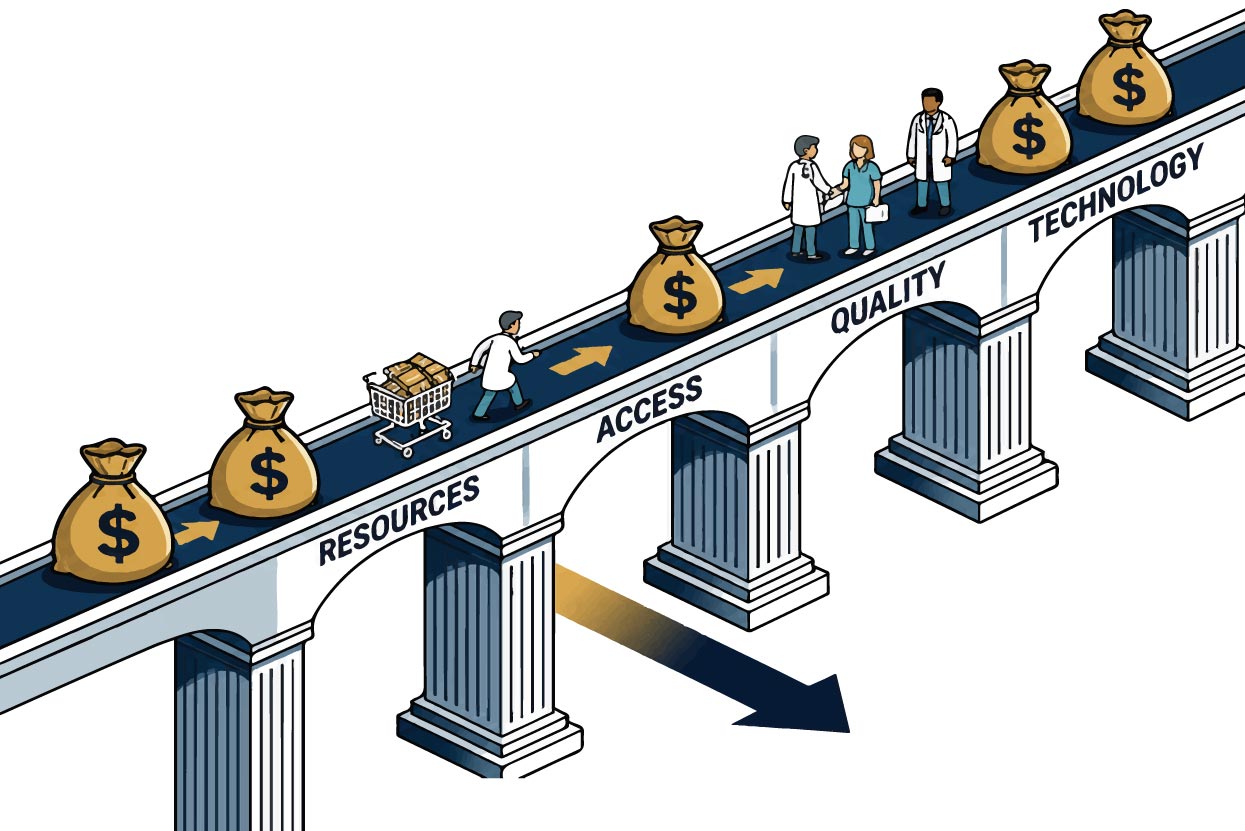
efficiency gap in healthcare
The hours lost between appointments, admissions, tests, bills and discharge rarely come from one failing department. They reveal a larger problem: how difficult it is to keep a hospital's people, information and resources moving together — and what managers can do about it.
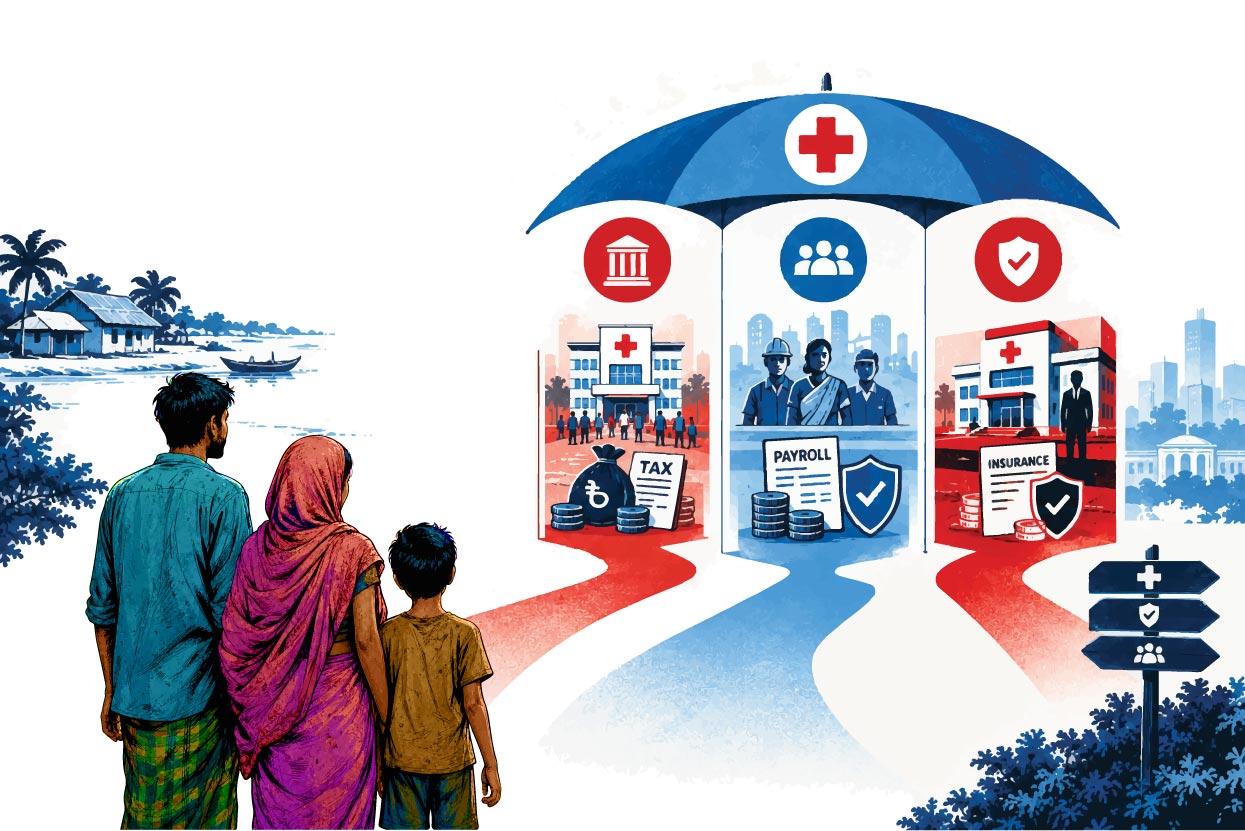
Missing Market in Bangladesh’s Healthcare Economy
Bangladeshis pay most of their healthcare costs out of pocket, while only a fraction of the population has health insurance. Three international models offer possible paths forward — but weak tax revenues, a largely informal workforce, regulatory gaps and poor health data make each difficult to replicate.

Cost Behind The Care
As Bangladesh’s healthcare market expands, families still shoulder most treatment costs, raising a harder question over who ultimately carries the financial risk of illness
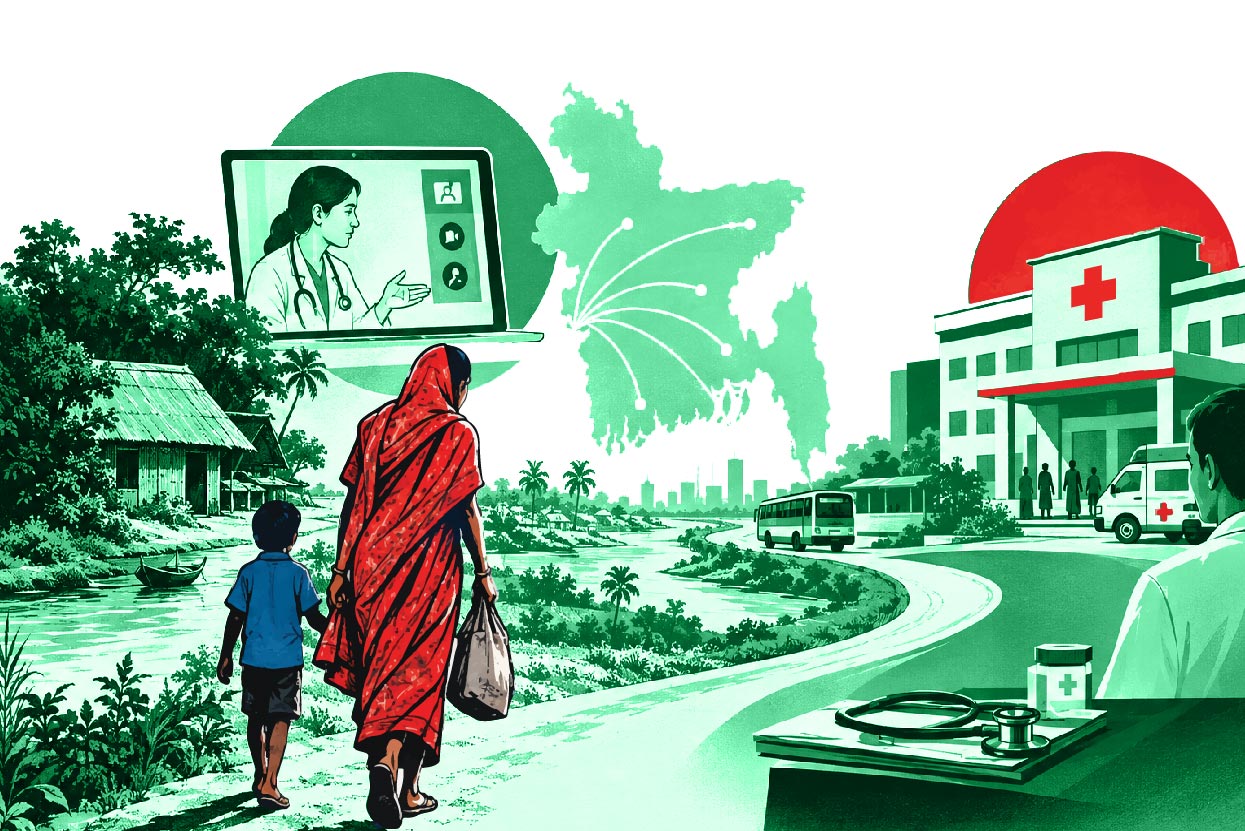
distance to care
For millions of rural Bangladeshis, accessing healthcare means travelling long distances, navigating understaffed facilities and shouldering costs they can barely afford. The country has made remarkable progress in health, but geography still determines who can receive timely, quality care.
efficiency gap in healthcare
The hours lost between appointments, admissions, tests, bills and discharge rarely come from one failing department. They reveal a larger problem: how difficult it is to keep a hospital's people, information and resources moving together — and what managers can do about it.
Missing Market in Bangladesh’s Healthcare Economy
Bangladeshis pay most of their healthcare costs out of pocket, while only a fraction of the population has health insurance. Three international models offer possible paths forward — but weak tax revenues, a largely informal workforce, regulatory gaps and poor health data make each difficult to replicate.
Cost Behind The Care
As Bangladesh’s healthcare market expands, families still shoulder most treatment costs, raising a harder question over who ultimately carries the financial risk of illness
distance to care
For millions of rural Bangladeshis, accessing healthcare means travelling long distances, navigating understaffed facilities and shouldering costs they can barely afford. The country has made remarkable progress in health, but geography still determines who can receive timely, quality care.


Bangladesh has expanded NCD screening and treatment, but the harder test is whether it can stop manageable disease from progressing into tomorrow’s strokes, kidney failure and cancer wards
BY Shumona Sharmin Sharna
efficiency gap in healthcare
The hours lost between appointments, admissions, tests, bills and discharge rarely come from one failing department. They reveal a larger problem: how difficult it is to keep a hospital's people, information and resources moving together — and what managers can do about it.
Missing Market in Bangladesh’s Healthcare Economy
Bangladeshis pay most of their healthcare costs out of pocket, while only a fraction of the population has health insurance. Three international models offer possible paths forward — but weak tax revenues, a largely informal workforce, regulatory gaps and poor health data make each difficult to replicate.
Cost Behind The Care
As Bangladesh’s healthcare market expands, families still shoulder most treatment costs, raising a harder question over who ultimately carries the financial risk of illness
distance to care
For millions of rural Bangladeshis, accessing healthcare means travelling long distances, navigating understaffed facilities and shouldering costs they can barely afford. The country has made remarkable progress in health, but geography still determines who can receive timely, quality care.
efficiency gap in healthcare
The hours lost between appointments, admissions, tests, bills and discharge rarely come from one failing department. They reveal a larger problem: how difficult it is to keep a hospital's people, information and resources moving together — and what managers can do about it.
Missing Market in Bangladesh’s Healthcare Economy
Bangladeshis pay most of their healthcare costs out of pocket, while only a fraction of the population has health insurance. Three international models offer possible paths forward — but weak tax revenues, a largely informal workforce, regulatory gaps and poor health data make each difficult to replicate.
Cost Behind The Care
As Bangladesh’s healthcare market expands, families still shoulder most treatment costs, raising a harder question over who ultimately carries the financial risk of illness
distance to care
For millions of rural Bangladeshis, accessing healthcare means travelling long distances, navigating understaffed facilities and shouldering costs they can barely afford. The country has made remarkable progress in health, but geography still determines who can receive timely, quality care.
%20Horizental%20AD-01.jpg&w=3840&q=100)



AI is entering healthcare at unprecedented speed, but its greatest value may not be replacing human expertise. It may be freeing doctors and nurses from administrative work so they can spend more time doing what technology cannot: caring for patients.
BY Sabirah Musfirat
A child's future does not begin on the first day of school. By the time a child walks into a classroom, some of the most important foundations for learning, health and development have already been established. They begin during pregnancy and continue through the first two years of life, a period widely recognised as the first 1,000 days.
BY Sabirah Musfirat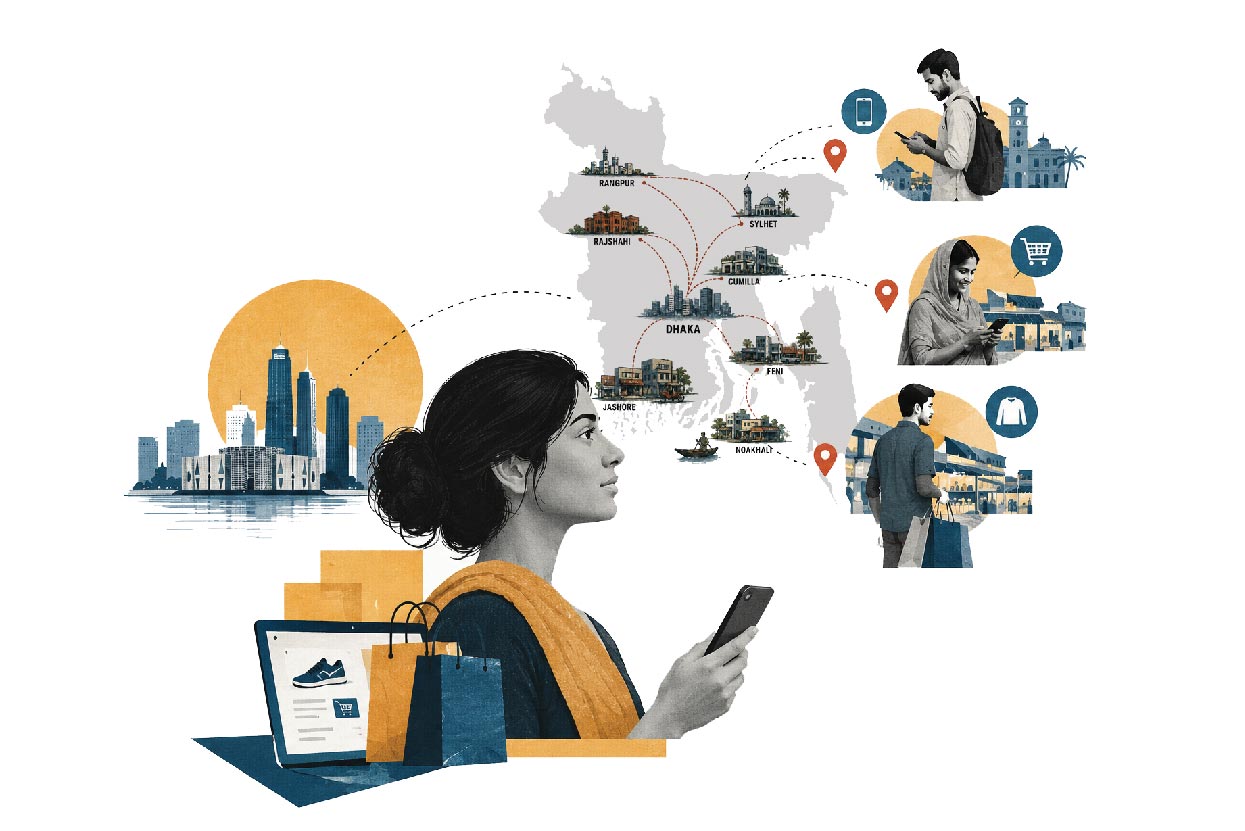
Digital access, remittances and retail expansion are reshaping demand beyond the capital, creating new consumer markets that businesses can no longer afford to treat as one.
BY Shumona Sharmin Sharna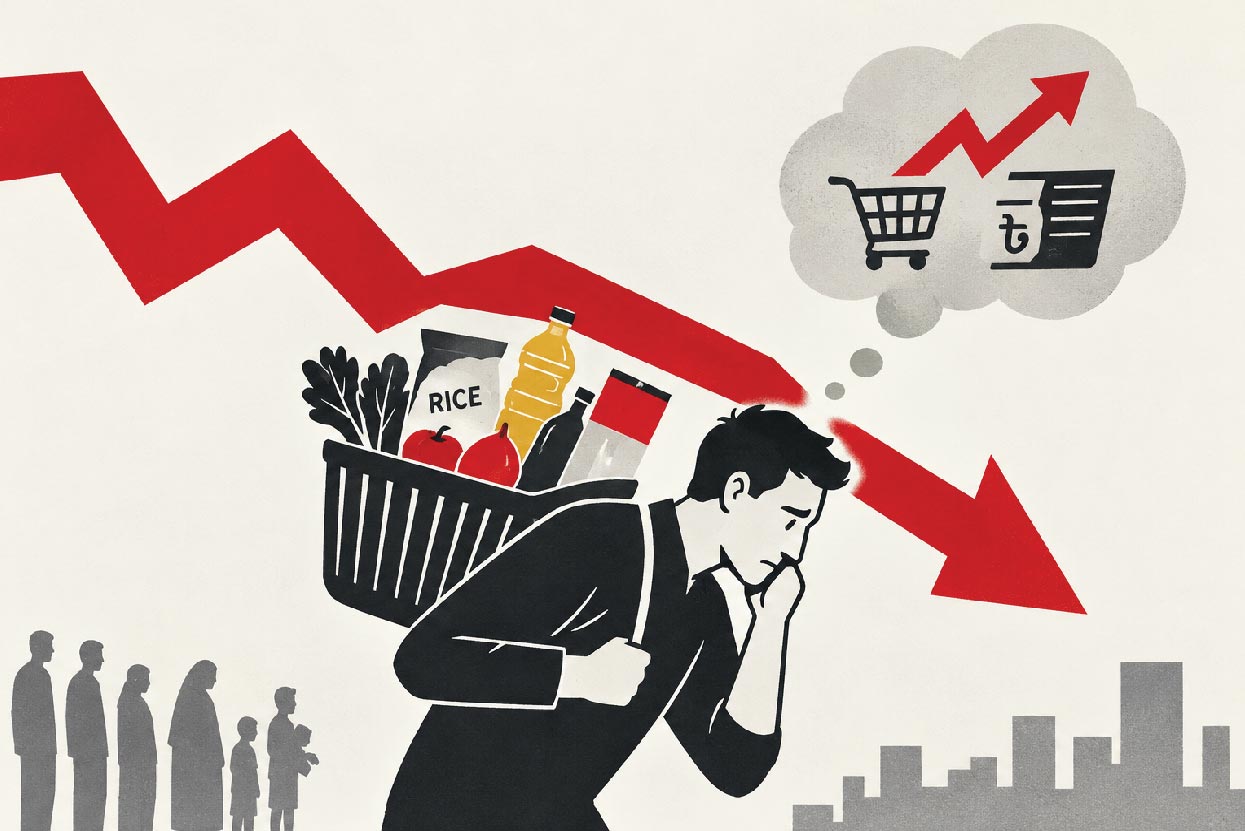
When purchasing power is under pressure, knowing what consumers think — and what they expect next — can be as important as knowing what they are spending today.
BY Imranul Ahsan Moonim
Bangladeshis are embracing digital finance without abandoning cash, revealing how convenience, trust and access still shape the way people choose to pay.
BY Shumona Sharmin Sharna
From smartphones and fashion to family purchases and social media trends, Bangladesh’s young consumers are shaping the market in ways that their wallets alone cannot explain.
BY Umayrah Iram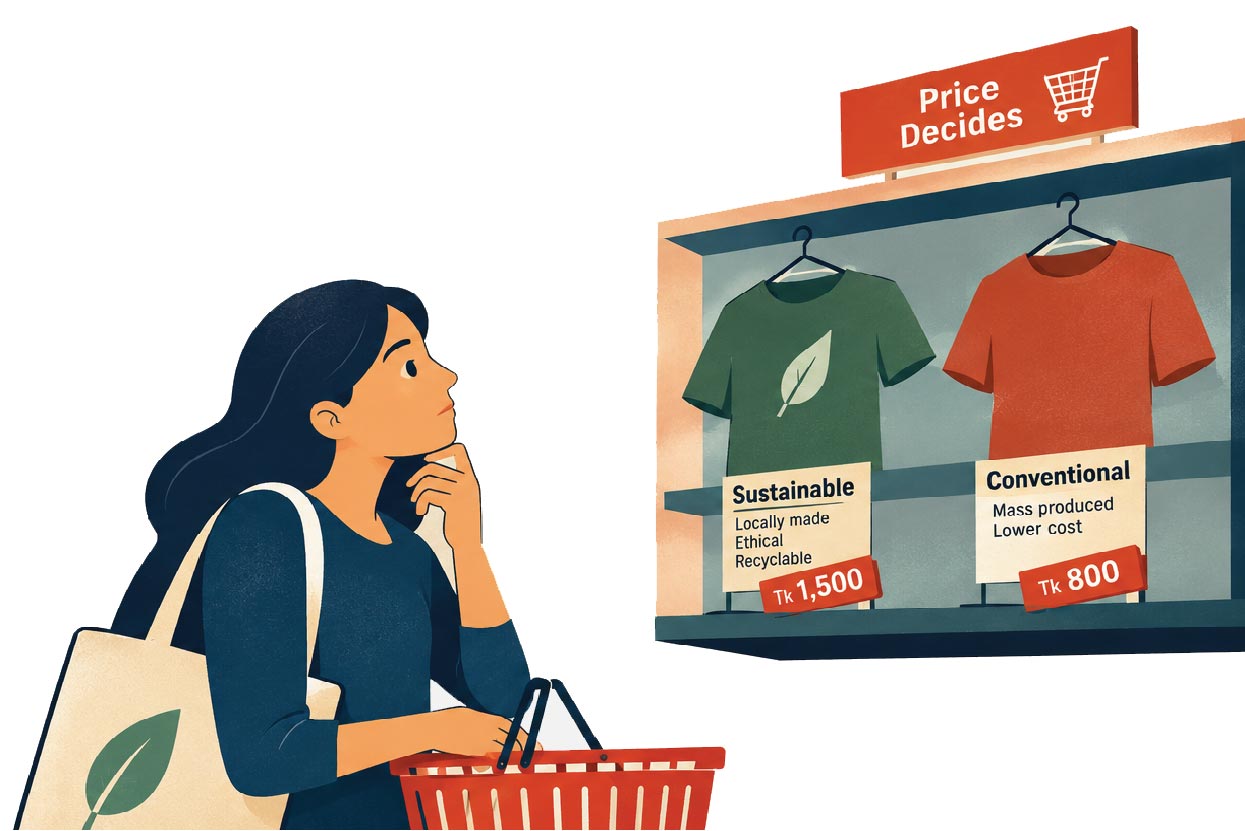
As awareness of sustainability grows, Bangladesh faces a harder question: who should bear the cost of making consumption more responsible when greener choices remain more expensive and less accessible?
BY Noorzahan Binte Tanzim
The Pink Bus may create a safer corner within Bangladesh’s transport system, but meaningful progress will depend on what happens when women step onto buses that are not pink.
BY Noorzahan Binte TanzimAI is entering healthcare at unprecedented speed, but its greatest value may not be replacing human expertise. It may be freeing doctors and nurses from administrative work so they can spend more time doing what technology cannot: caring for patients.
BY Sabirah MusfiratA child's future does not begin on the first day of school. By the time a child walks into a classroom, some of the most important foundations for learning, health and development have already been established. They begin during pregnancy and continue through the first two years of life, a period widely recognised as the first 1,000 days.
BY Sabirah MusfiratDigital access, remittances and retail expansion are reshaping demand beyond the capital, creating new consumer markets that businesses can no longer afford to treat as one.
BY Shumona Sharmin SharnaWhen purchasing power is under pressure, knowing what consumers think — and what they expect next — can be as important as knowing what they are spending today.
BY Imranul Ahsan MoonimBangladeshis are embracing digital finance without abandoning cash, revealing how convenience, trust and access still shape the way people choose to pay.
BY Shumona Sharmin SharnaFrom smartphones and fashion to family purchases and social media trends, Bangladesh’s young consumers are shaping the market in ways that their wallets alone cannot explain.
BY Umayrah IramAs awareness of sustainability grows, Bangladesh faces a harder question: who should bear the cost of making consumption more responsible when greener choices remain more expensive and less accessible?
BY Noorzahan Binte TanzimThe Pink Bus may create a safer corner within Bangladesh’s transport system, but meaningful progress will depend on what happens when women step onto buses that are not pink.
BY Noorzahan Binte Tanzim
%20Square%20Ad%20-11.jpg&w=3840&q=75)
%20Square%20Ad%20-12.jpg&w=3840&q=75)

%20Horizental%20AD-01.jpg&w=3840&q=75)
INTERVIEWS
Business Of Building Tomorrow's Bangladesh
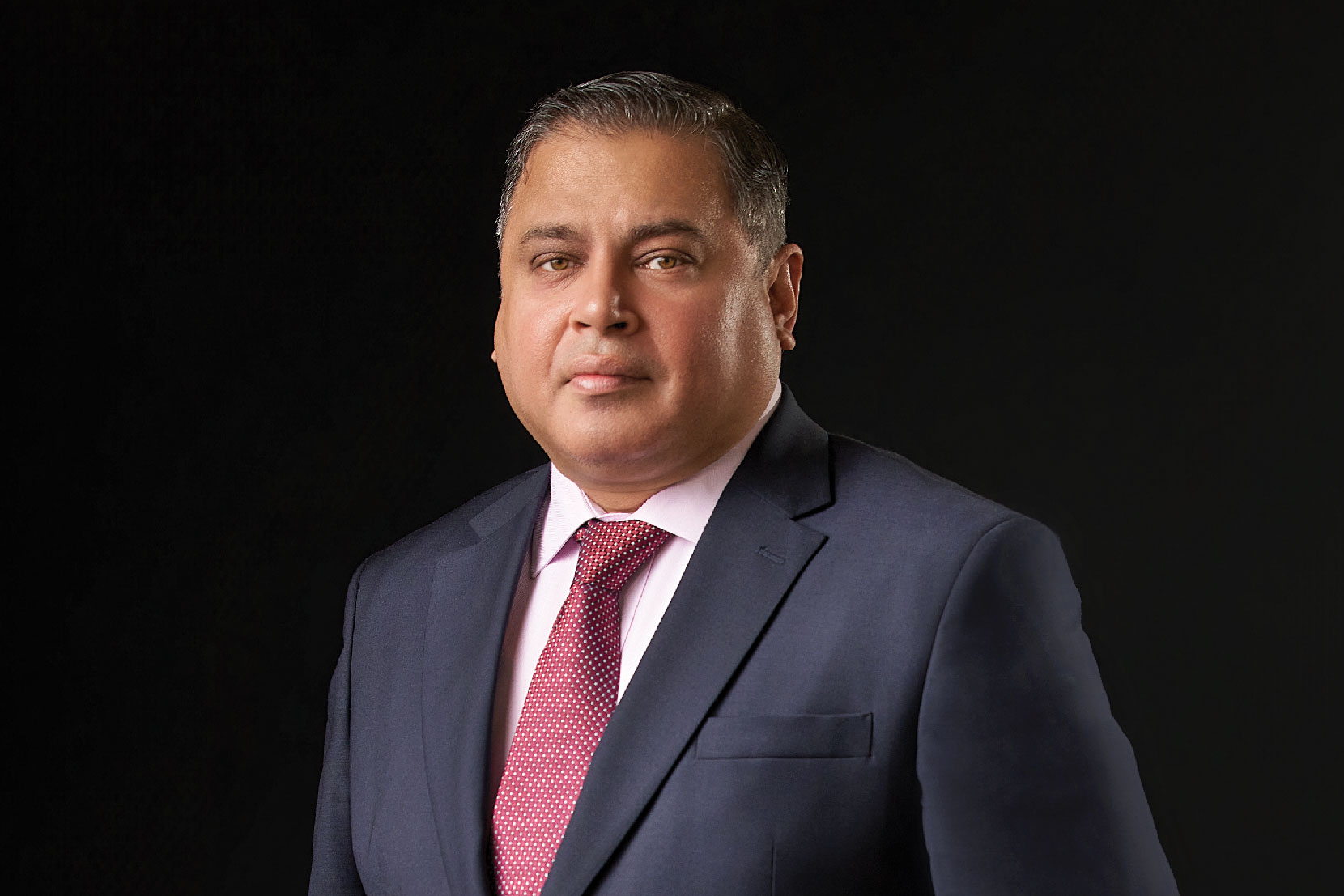
With over three decades of experience financing Bangladesh’s core industries, Faisal Rahman steps into the role of CEO at Prime Bank. He speaks on striking the perfect balance between tech-driven growth and risk discipline, explaining why institutional resilience is the asset that matters most in a changing economy.
Economics of Ramadan
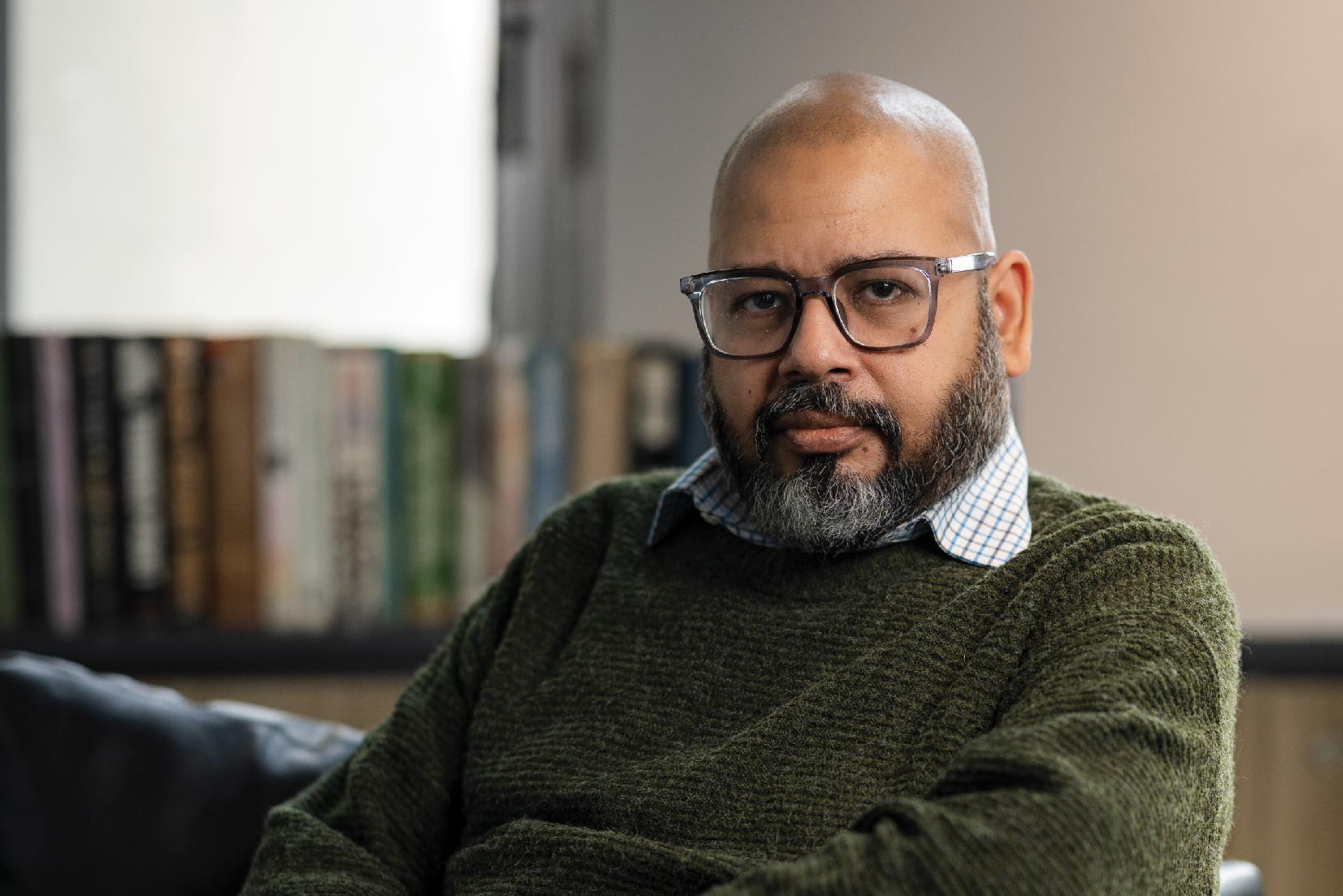
Wasiqur Rahman Khan, Professor and Chairperson of the Department of Economics and Social Sciences at BRAC University, discusses price hikes during Ramadan. Professor Khan obtained a BSS (Hons.) and MSS degree in Economics from the University of Dhaka and a PhD in Economics from Indiana University, Bloomington, USA. His areas of interest include applied economics and experimental economics.

Looms, Global Dreams
Tamara Hasan Abed, Managing Director of BRAC’s social enterprises, explains how Aarong’s mission-driven model and the world’s largest craft store in Dhanmondi showcase sustainable fashion, ethical sourcing, and community empowerment.
The Wire
Abdullah Al Mamun, Head of Marketing and Business Development at Super Star Group, shares how the brand’s steadfast commitment to safety, innovation, and stakeholder empowerment is helping it stand out in Bangladesh’s competitive cable industry.


%20Square%20Ad%20-08.jpg&w=1200&q=75)


The Economics of Empathy
In conversation with architects Saiqa Iqbal Meghna and Suvro Sovon Chowdhury, who sees arc
- Editorial Desk
The
Business Of Building Tomorrow's Bangladesh
With over three decades of experience financing Bangladesh’s core industries, Faisal Rahman steps into the role of CEO at Prime Bank. He speaks on striking the perfect balance between tech-driven growth and risk discipline, explaining why institutional resilience is the asset that matters most in a changing economy.
BY Tarin Fatema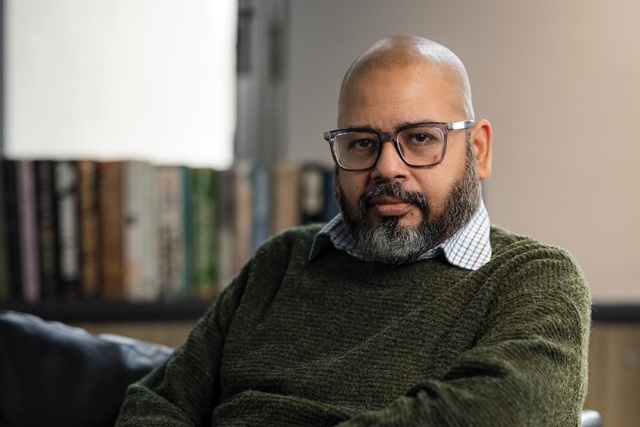
The
Economics of Ramadan
Wasiqur Rahman Khan, Professor and Chairperson of the Department of Economics and Social Sciences at BRAC University, discusses price hikes during Ramadan. Professor Khan obtained a BSS (Hons.) and MSS degree in Economics from the University of Dhaka and a PhD in Economics from Indiana University, Bloomington, USA. His areas of interest include applied economics and experimental economics.
BY Dipto Mesbah
Local
Looms, Global Dreams
Tamara Hasan Abed, Managing Director of BRAC’s social enterprises, explains how Aarong’s mission-driven model and the world’s largest craft store in Dhanmondi showcase sustainable fashion, ethical sourcing, and community empowerment.
BY Dipto Mesbah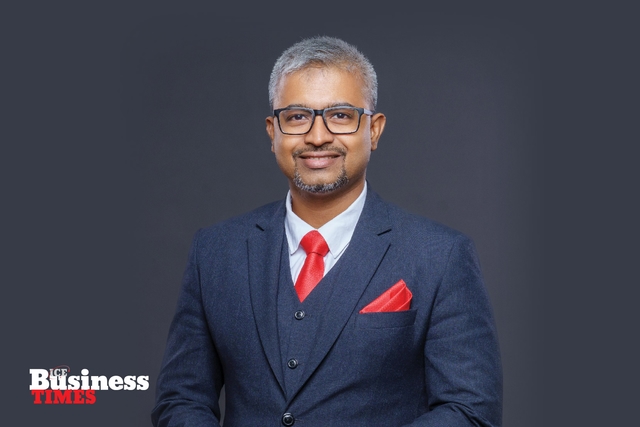
Beyond
The Wire
Abdullah Al Mamun, Head of Marketing and Business Development at Super Star Group, shares how the brand’s steadfast commitment to safety, innovation, and stakeholder empowerment is helping it stand out in Bangladesh’s competitive cable industry.
BY Dipto MesbahSEGMENTS

Features
distance to care
For millions of rural Bangladeshis, accessing healthcare means travelling long distances, navigating understaffed facilities and shouldering costs they can barely afford. The country has made remarkable progress in health, but geography still determines who can receive timely, quality care.
Cost Behind The Care
As Bangladesh’s healthcare market expands, families still shoulder most treatment costs, raising a harder question over who ultimately carries the financial risk of illness
efficiency gap in healthcare
The hours lost between appointments, admissions, tests, bills and discharge rarely come from one failing department. They reveal a larger problem: how difficult it is to keep a hospital's people, information and resources moving together — and what managers can do about it.
happens when the bus is not pink?
The Pink Bus may create a safer corner within Bangladesh’s transport system, but meaningful progress will depend on what happens when women step onto buses that are not pink.
money, big influence
From smartphones and fashion to family purchases and social media trends, Bangladesh’s young consumers are shaping the market in ways that their wallets alone cannot explain.
the consumer
When purchasing power is under pressure, knowing what consumers think — and what they expect next — can be as important as knowing what they are spending today.

%20Square%20Ad%20-09.jpg&w=1080&q=75)

%20Horizental%20AD-01.jpg&w=3840&q=75)
Columns

Gen Zs and the Battle for the Ballot in Bangladesh
This report explores how Gen Z is reshaping Bangladesh’s electoral politics through digital engagement, redefining participation, influence, and campaign strategy.


WHY “I CAN’T GET NO SATISFACTION” NEVER GETS OLD
Identity Builders across every generation share the same desire for individuality, belonging, and self-expression. Successful brands connect with young consumers by understanding life stages, emotions, aspirations, and evolving cultural language.
INFOGRAPHICS
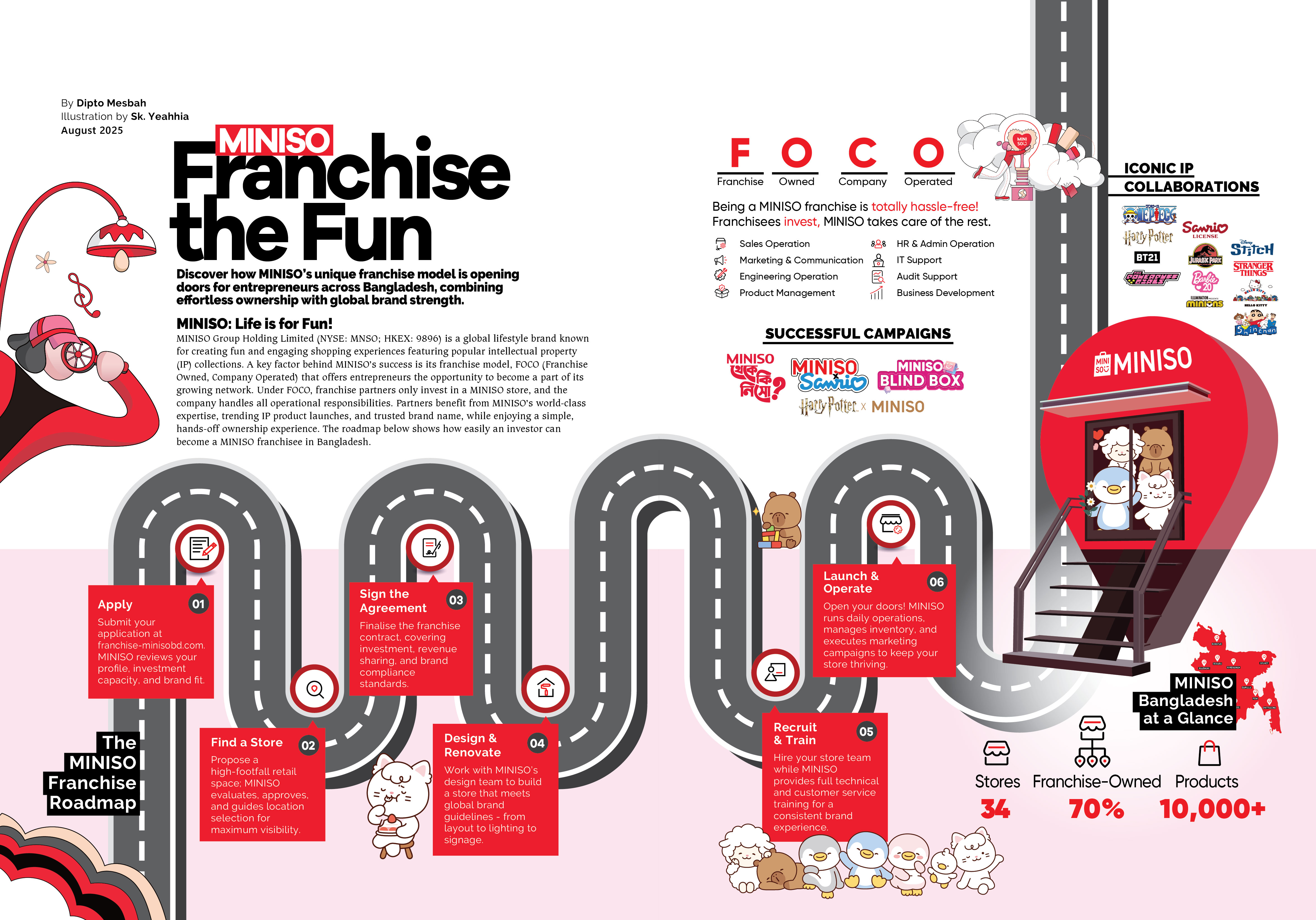
MINISO : Franchise the Fun
Discover how MINISO’s unique franchise model is opening doors for entrepreneurs across Bangladesh, combining effortless ownership with global brand strength. --- MINISO Group Holding Limited (NYSE: MNSO; HKEX: 9896) is a global lifestyle brand known for creating fun and engaging shopping experiences featuring popular intellectual property (IP) collections. A key factor behind MINISO’s success is its franchise model, FOCO (Franchise Owned, Company Operated) that offers entrepreneurs the opportunity to become a part of its growing network. Under FOCO, franchise partners only invest in a MINISO store, and the company handles all operational responsibilities. Partners benefit from MINISO’s world-class expertise, trending IP product launches, and trusted brand name, while enjoying a simple, hands-off ownership experience. The roadmap below shows how easily an investor can become a MINISO franchisee in Bangladesh.
Read More
Fast Forward
Ep-03 | Dewan Sajid Afzal
Fast Forward
Ep-03 | Dewan Sajid Afzal
HR MOVES
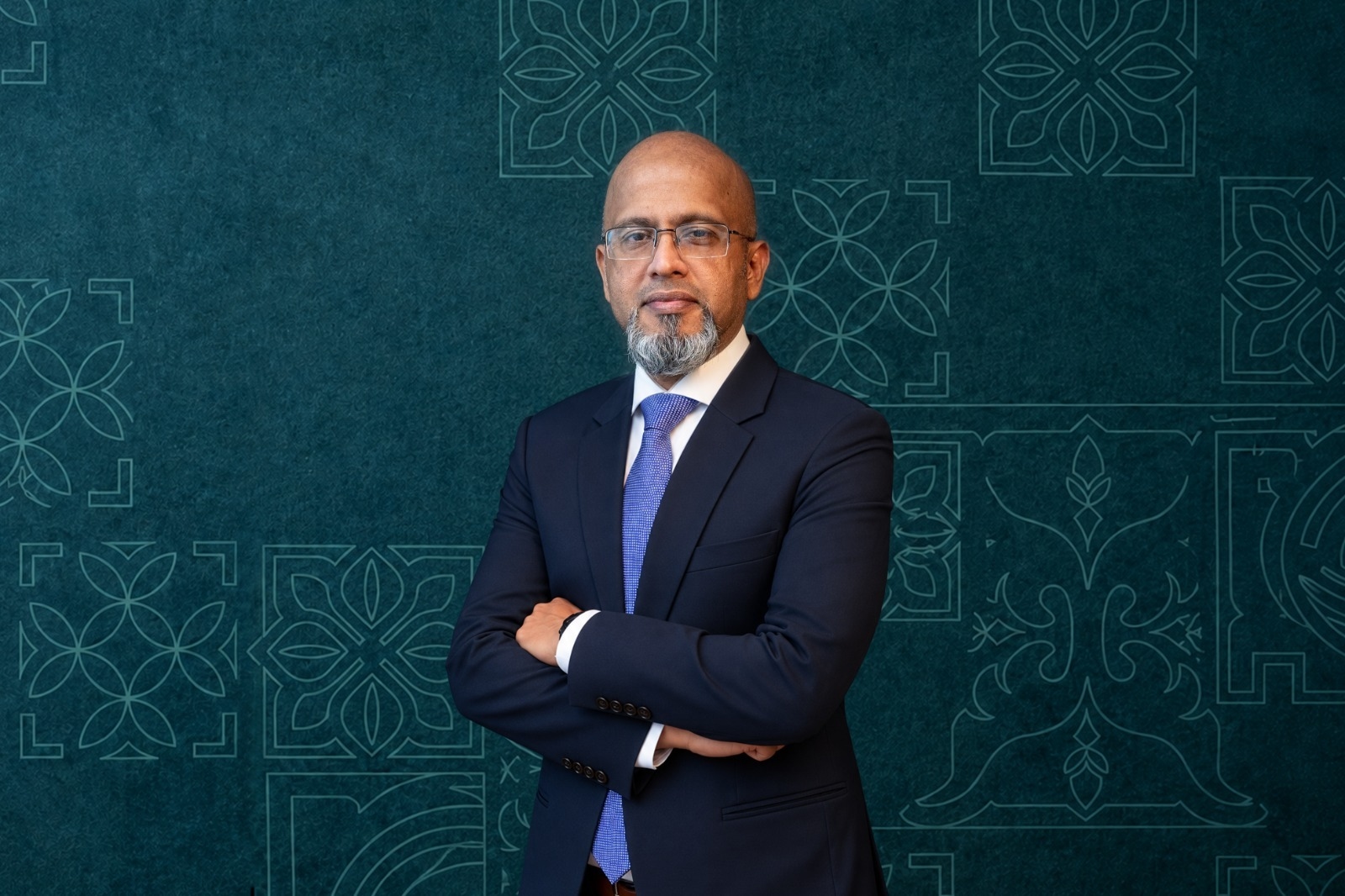
BAT Bangladesh appoints Momshad Ali Khan as Head of Corporate & Regulatory Affairs
BAT Bangladesh PLC. has appointed Momshad Ali Khan as its Head of Corporate & Regulatory Affairs, effective 1 October 2026, bringing an experienced corporate affairs and public policy professional into a senior role at the company.
Momshad joins BAT Bangladesh with more than two decades of experience spanning corporate affairs, government relations, regulatory strategy, stakeholder engagement and strategic communications. His career has included senior roles at several major multinational companies operating in Bangladesh, giving him experience across corporate reputation, public affairs and engagement with a complex regulatory environment.
Before joining BAT Bangladesh, Momshad served as Director, Public Affairs, Communications and Sustainability at Coca-Cola Bangladesh. In that role, he was also a member of the Bangladesh Leadership Team, contributing to the company’s broader leadership and corporate affairs agenda.
His career in the fast-moving consumer goods and corporate affairs sectors also includes a tenure at JT International Bangladesh, where he served as Head of Corporate and Fiscal Affairs. The role added further experience in corporate and fiscal matters to a career that has consistently involved engagement with regulatory and policy issues.
Earlier, Momshad spent more than a decade at Chevron Bangladesh, where he developed extensive experience in the corporate affairs space. His professional journey across energy, tobacco and consumer goods companies has therefore provided exposure to industries with significant stakeholder, regulatory and public-policy considerations.
His appointment comes at a time when businesses operating in Bangladesh continue to navigate an evolving policy and regulatory environment. Corporate affairs functions increasingly sit at the intersection of business strategy, government relations, stakeholder engagement and communications, making experience across these areas particularly relevant to organisations managing complex external environments.
At BAT Bangladesh, Momshad will take responsibility for the company’s Corporate & Regulatory Affairs function. His background in public affairs, corporate communications, government relations and regulatory strategy positions him to work across the range of issues that fall within the remit of the role.
Commenting on his appointment, Momshad Ali Khan said he was honoured to join an organisation with a long-standing presence in the region.
“I am honoured to join an organisation with a legacy of more than 116 years in this region. I look forward to working with the talented team to drive the Company’s sustainable success, strengthen its role as a development partner to the nation, and navigate the evolving policy and regulatory landscape.”
The appointment also marks the latest stage in a career that has seen Momshad work across multiple sectors and corporate environments in Bangladesh. His experience at Chevron Bangladesh, JT International Bangladesh and Coca-Cola Bangladesh has covered different aspects of corporate affairs, while maintaining a consistent focus on stakeholder relationships, communications and the broader operating environment.
Momshad holds an MBA from the University of Dhaka and an Executive MBA from American International University Bangladesh (AIUB).
With his appointment effective from 1 October 2026, Momshad now takes on the Corporate & Regulatory Affairs leadership role at BAT Bangladesh, where his experience across corporate affairs and regulatory engagement is expected to inform the company’s approach to an evolving policy landscape.
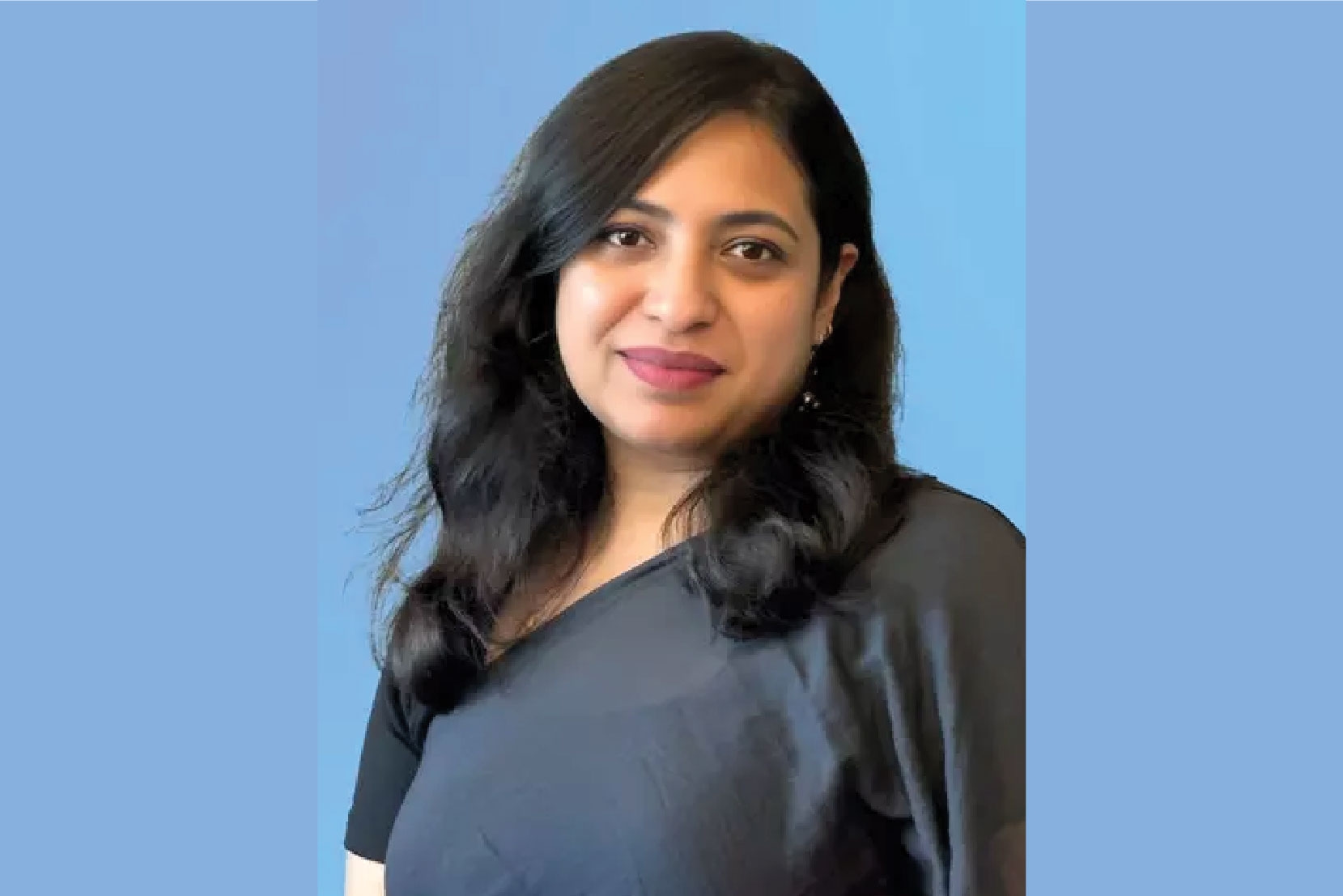
Farha Naz Zaman Appointed as CMO At Grameenphone Ltd.
Farha Naz Zaman has been appointed as the new Chief Marketing Officer of Grameenphone Ltd. Previously, she served as Grameenphone’s Head of Marketing and brings over 18 years of experience in telecommunications and FMCG. She also served as the Head of Digital Marketing, the Head of Media & Operations, the Head of BTL & Consumer Engagement, and the Head of Premium Segments. Prior to joining Grameenphone, she was Head of Media & Digital at Unilever Bangladesh, where she redesigned marketing for more than 22 brands.
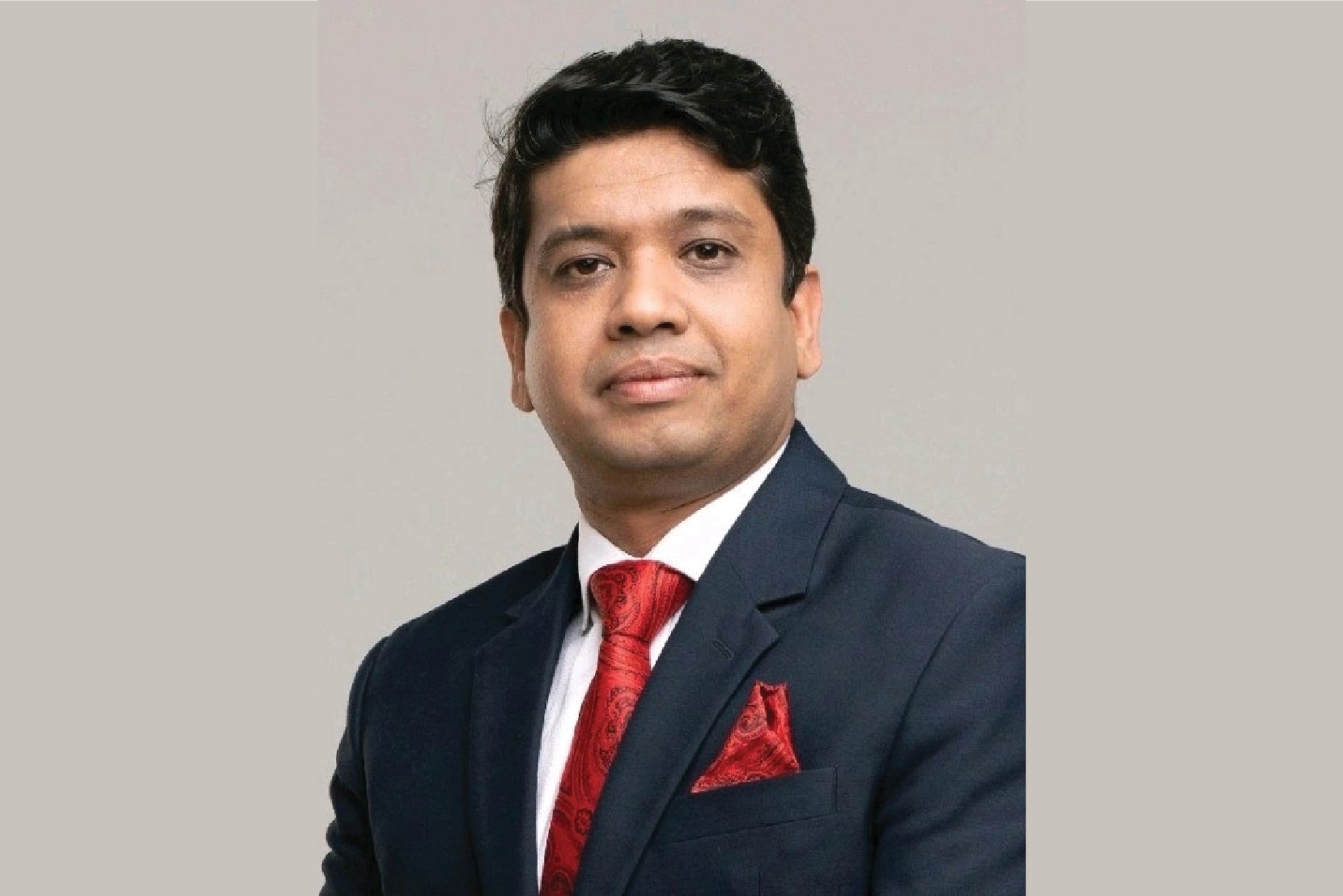
Masud Al Amin Rajib Appointed as CEO of AKIJ Light Engineering Ltd.
Masud Al Amin Rajib has been named AKIJ Light Engineering Limited's new Chief Executive Officer. He has a long history in business development and leadership, having held a number of high-profile roles, such as AGM-Distribution at PRAN-RFL Group, General Manager of Sales Development and Operations at Super Star Group Limited, Head of Distributions at NAVANA Group, and Business Head of the Bright Strategic Business Unit at SSG (Super Star Group).
Razibul Hasan Appointed as COO of Dekko Legacy Lifestyle Ltd.
Razibul Hasan has been appointed as the Chief Operating Officer (COO) of Dekko Legacy Lifestyle Ltd. (Qrius). He previously held the positions of Head of Corporate Sales, Project Head, and General Manager (Expansion - Franchise & Retail Operations) at Gemcon Food & Agricultural Products Ltd. (GFAPL) in Meena Bazar. Additionally, he has been in charge of business development at Bata and Shwapno. He is a successful leader with 18 years of experience in retail sales, franchise operations, and strategic business planning.
%20Square%20Ad%20-12.jpg&w=1080&q=75)

WORD OF MOUTH

HONOR introduces its connected ecosystem vision at...
HONOR Bangladesh showcased its latest developments in AI and connected t

A World of Design, Now in One Destination: Nava Ho...
The design space in Bangladesh is evolving, with growing demand for solutions that combine intern
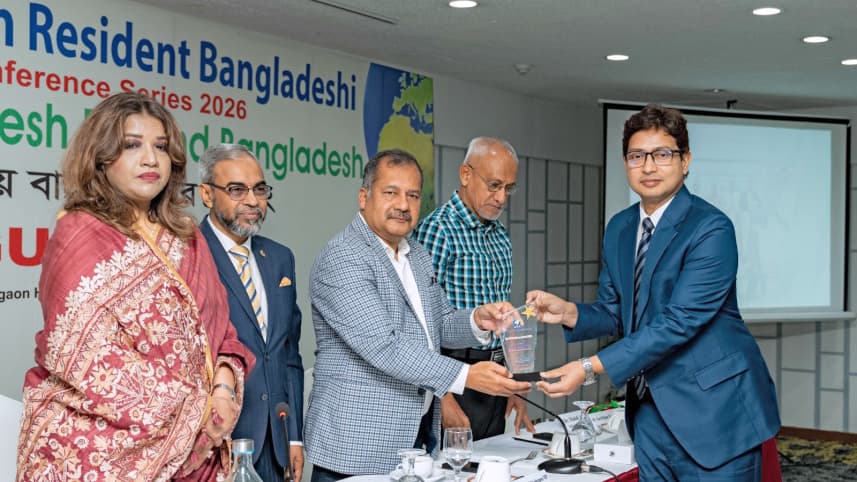
BRAC Bank Receives Top Remittance Award for 2026
BRAC Bank has received the Top Ten Remittance Award at the World Conference Series 2026 for its c
