
Shumona Sharmin Sharna
Shumona Sharmin Sharna is a freelance writer.
ARTICLES BY SHUMONA SHARMIN SHARNA
Planet & Prosperity
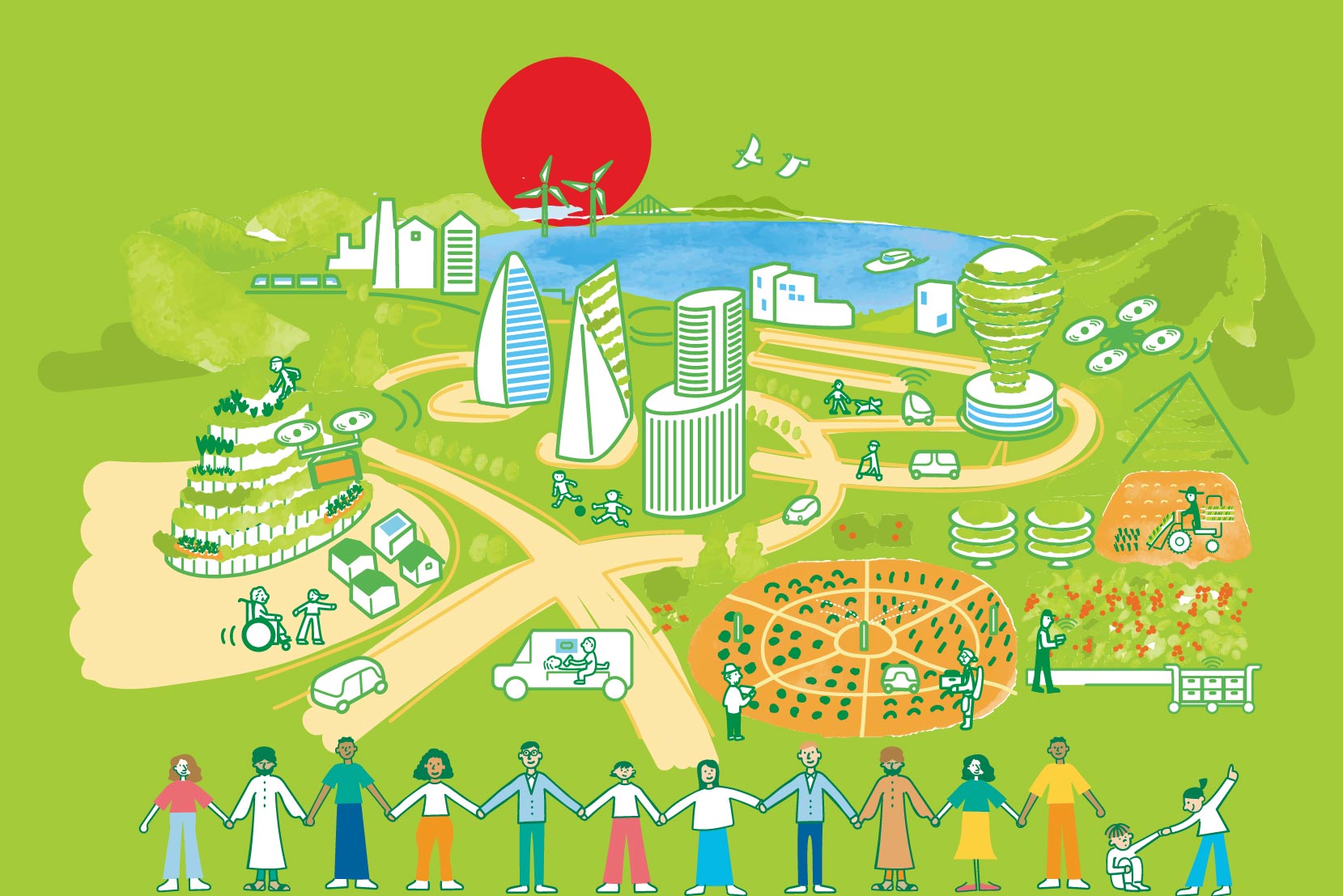
Bangladesh is proving that industry can care, but fundamental challenges remain that must be addressed for true progress.

Cost Behind The Care
As Bangladesh’s healthcare market expands, families still shoulder most treatment costs, raising a harder question over who ultimately carries the financial risk of illness

patients we reach too late
Bangladesh has expanded NCD screening and treatment, but the harder test is whether it can stop manageable disease from progressing into tomorrow’s strokes, kidney failure and cancer wards
market beyond Dhaka
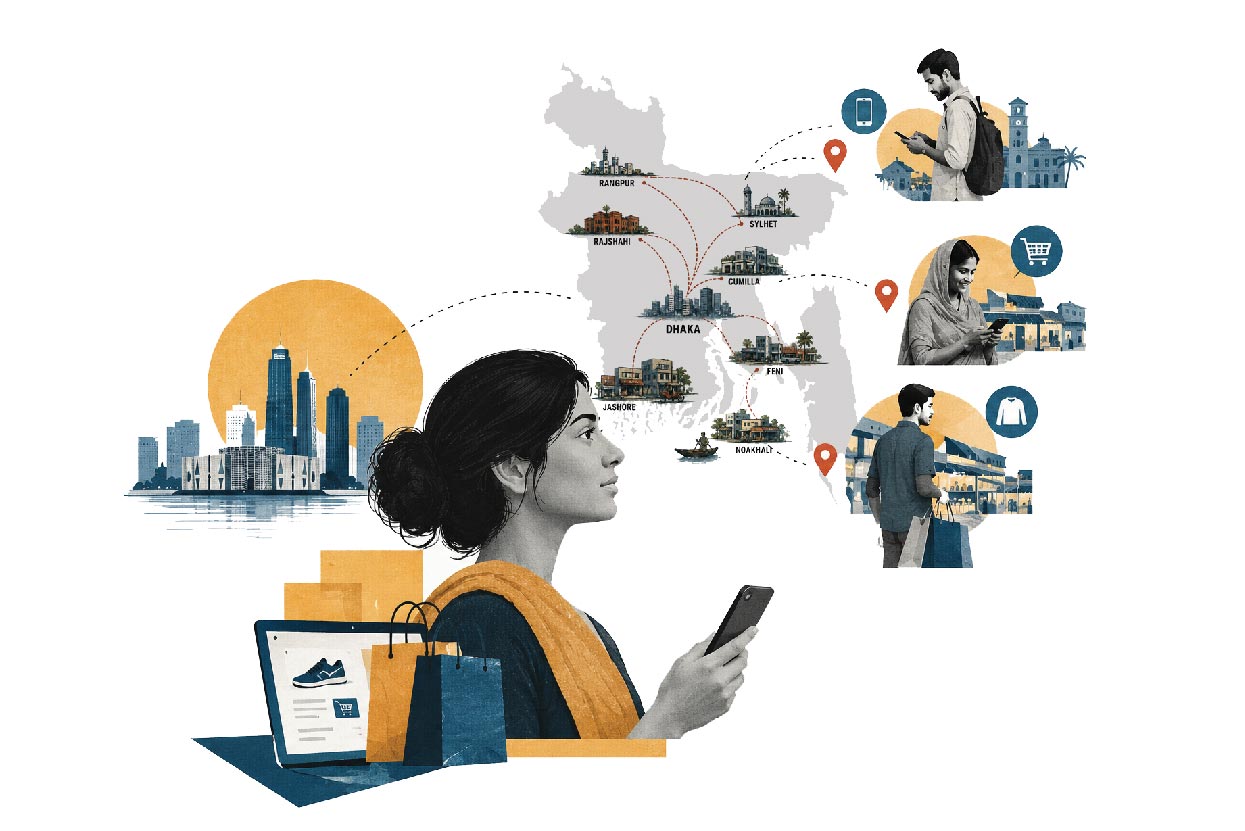
Digital access, remittances and retail expansion are reshaping demand beyond the capital, creating new consumer markets that businesses can no longer afford to treat as one.

by choice, cash by habit
Bangladeshis are embracing digital finance without abandoning cash, revealing how convenience, trust and access still shape the way people choose to pay.

Cost of Cheap Water
Bangladesh’s factories have long treated groundwater as a low-cost input. Depletion, pollution and delayed regulation are turning it into a threat to production.

Heat Tax
Extreme heat is quietly eroding Bangladesh’s productivity. While workers continue to show up, the true economic cost is increasingly borne through slower output, rising health risks and losses that businesses rarely measure.
Buildings, Grey Cities
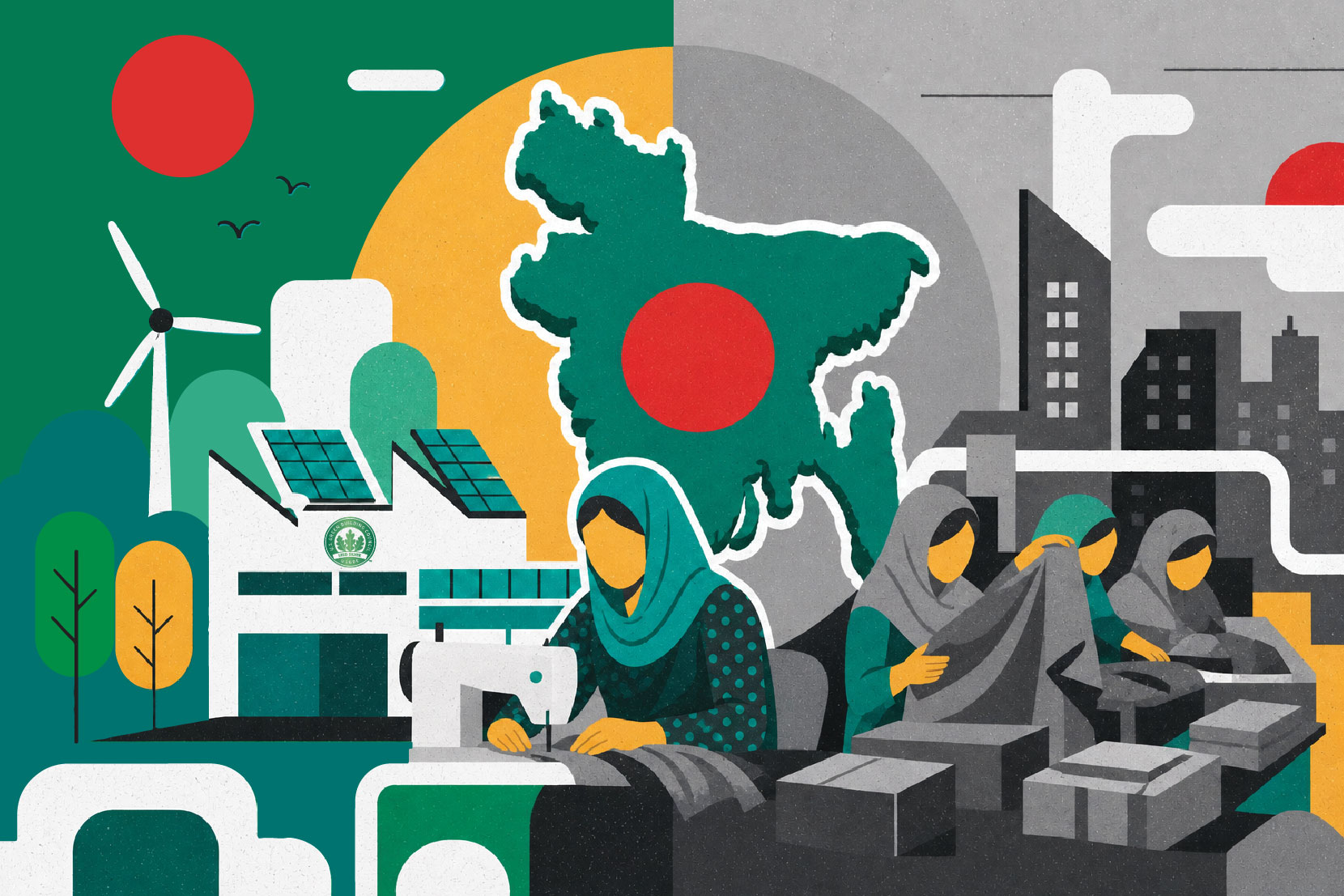
Bangladesh has proved it can build world-class green factories. The harder question is why the same logic has not reshaped the buildings where people live, work, study and seek healthcare.

Fabric, Lost Fortune
Bangladesh’s garment scraps could cut import bills, create green jobs and strengthen export competitiveness — but only if jhut moves from opaque scrap trade to traceable industrial feedstock
by Labour, Priced Elsewhere
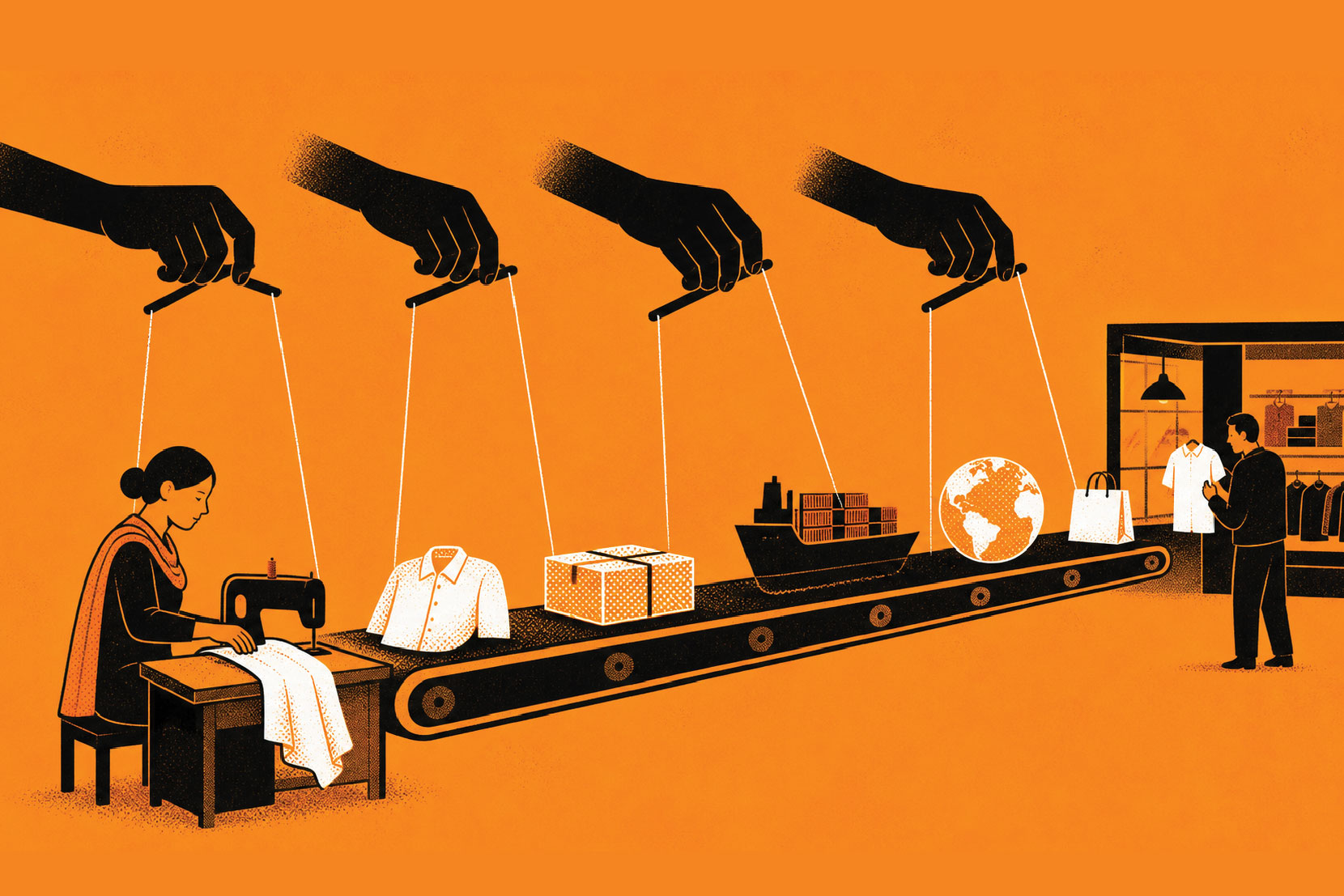
Bangladesh’s workers fuel global supply chains, yet much of the value flows beyond its borders
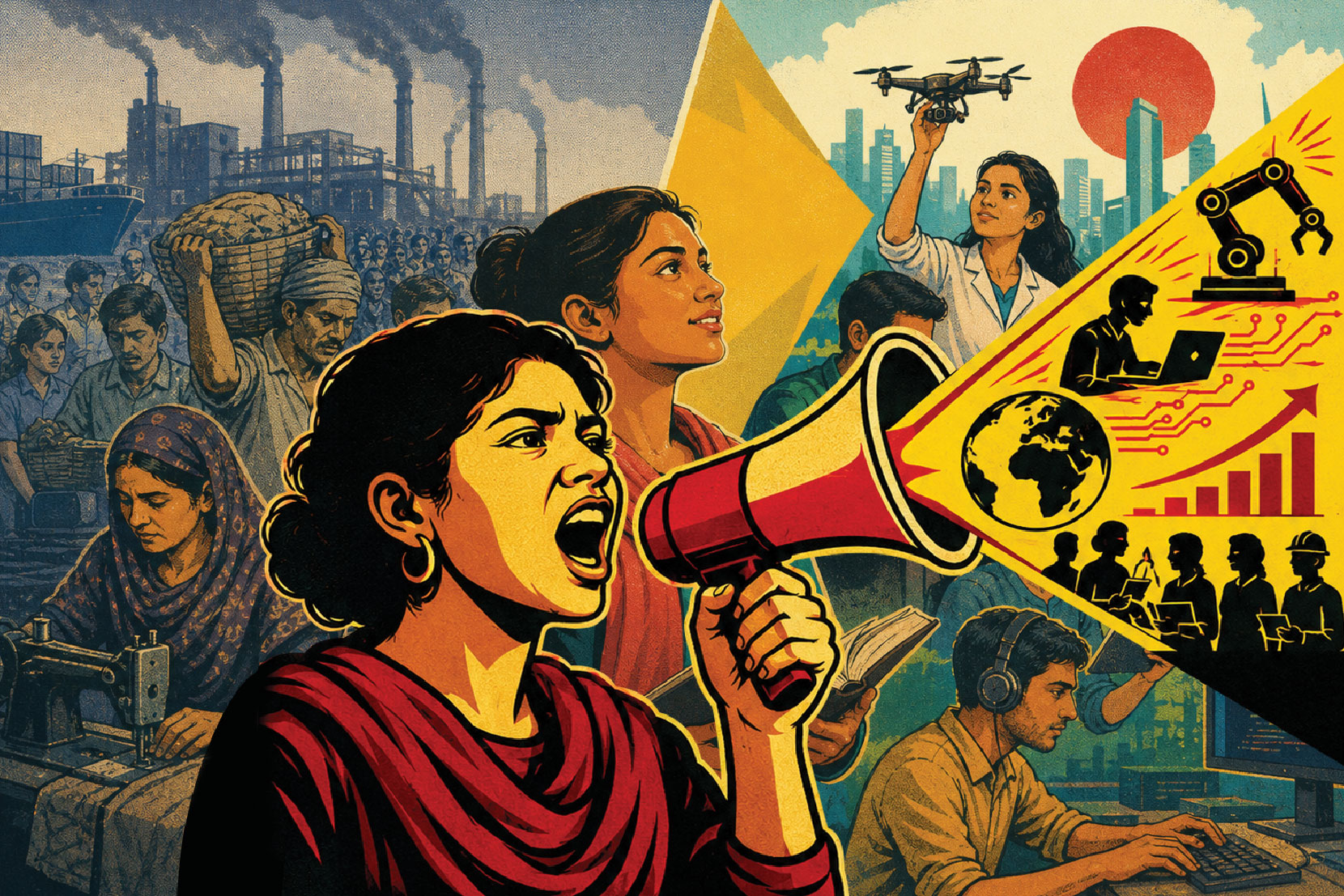
Labour isn’t Enough
As AI and automation reshape global work, Bangladesh must turn its labour advantage into a productivity advantage

Next Growth Phase
As Bangladesh approaches a new fiscal cycle, policy shifts, productivity gains and private sector confidence will shape the next phase of growth.