features
distance to care
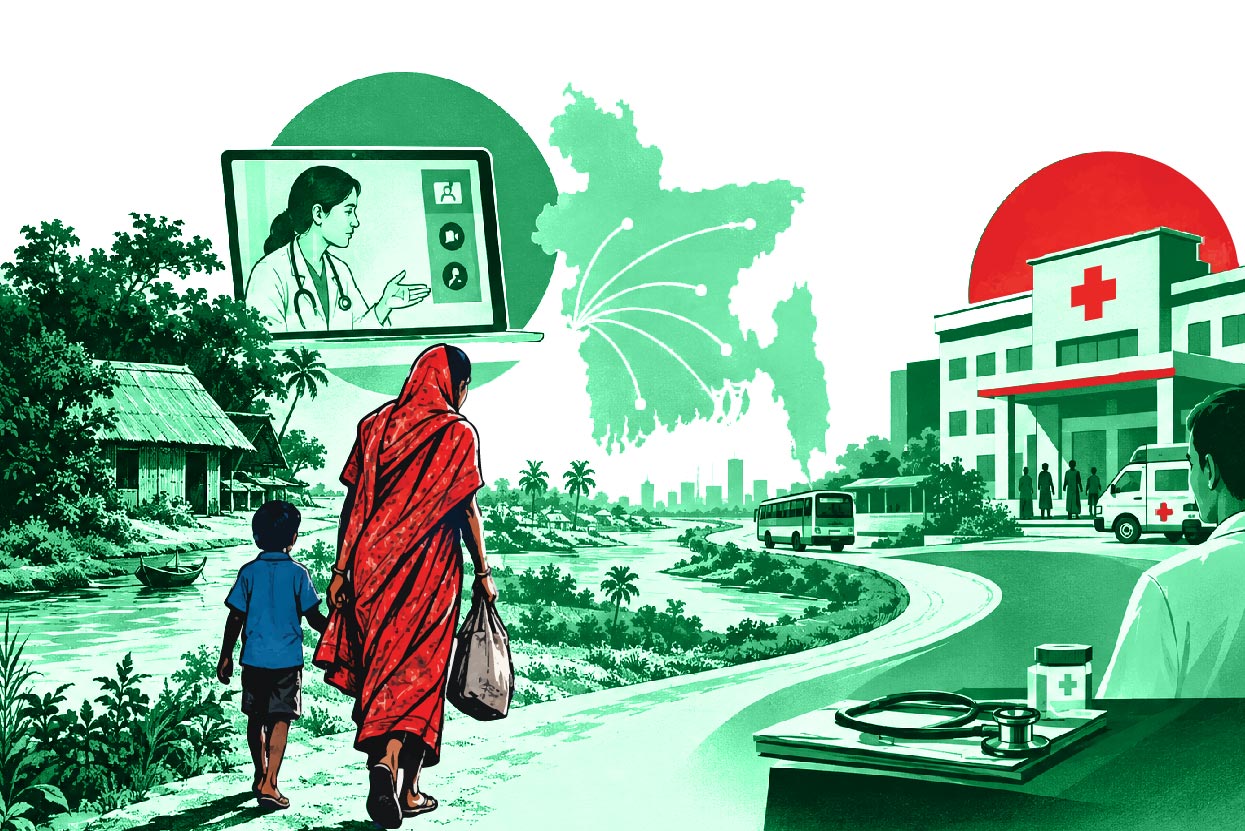
For millions of rural Bangladeshis, accessing healthcare means travelling long distances, navigating understaffed facilities and shouldering costs they can barely afford. The country has made remarkable progress in health, but geography still determines who can receive timely, quality care.
Cost Behind The Care
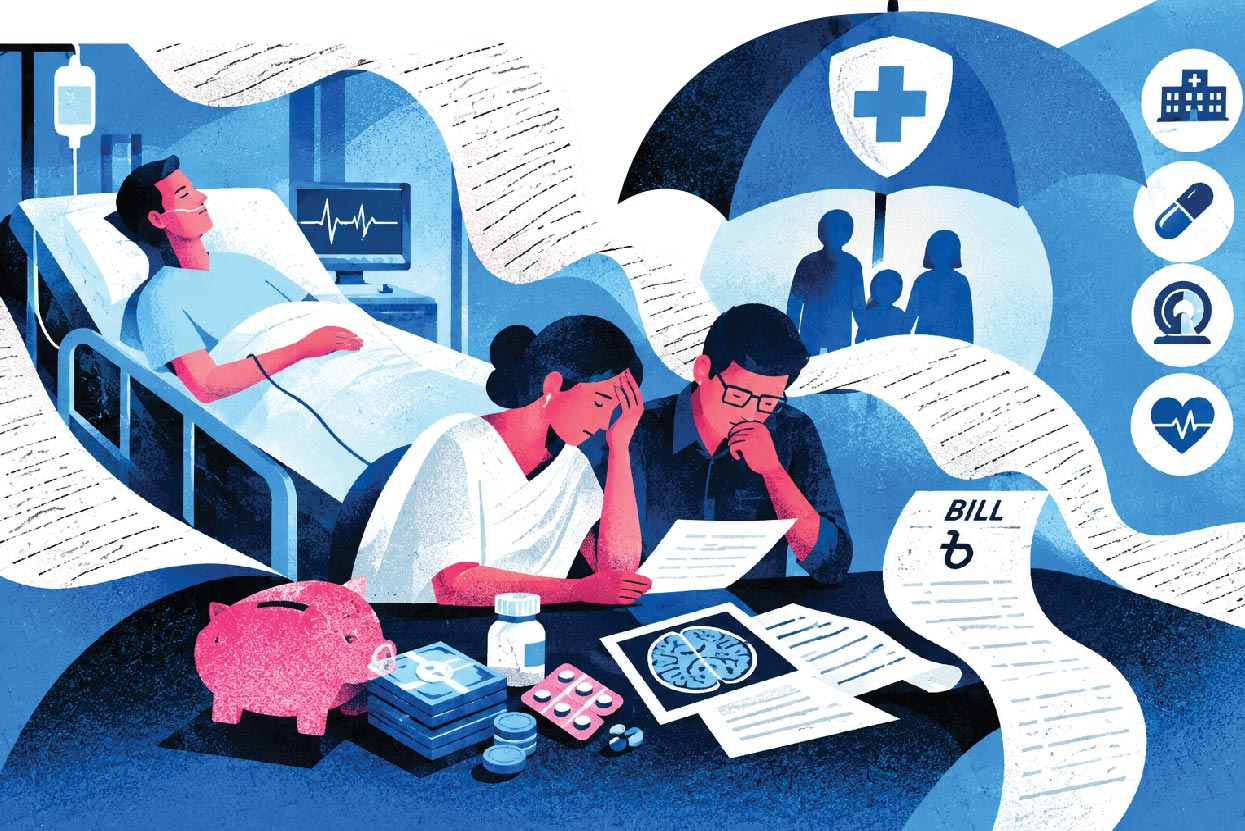
As Bangladesh’s healthcare market expands, families still shoulder most treatment costs, raising a harder question over who ultimately carries the financial risk of illness
efficiency gap in healthcare
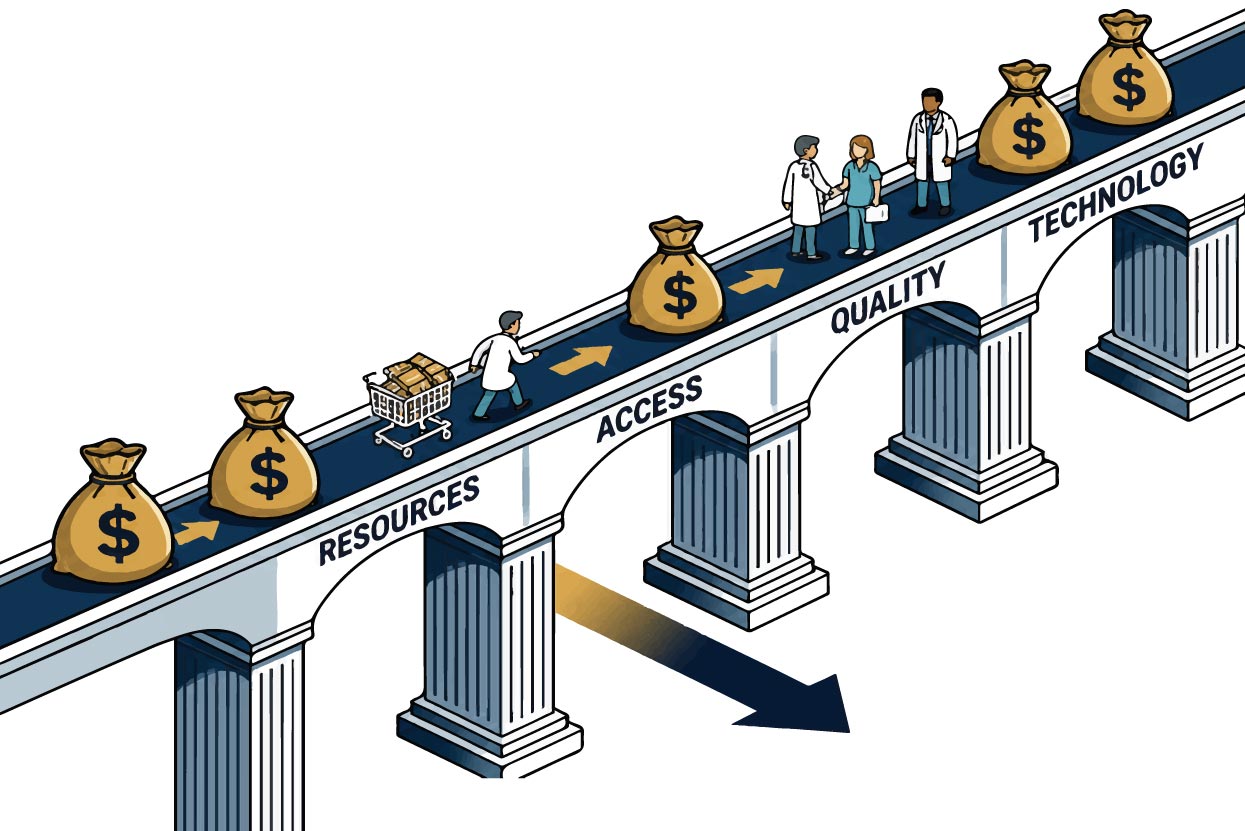
The hours lost between appointments, admissions, tests, bills and discharge rarely come from one failing department. They reveal a larger problem: how difficult it is to keep a hospital's people, information and resources moving together — and what managers can do about it.
happens when the bus is not pink?
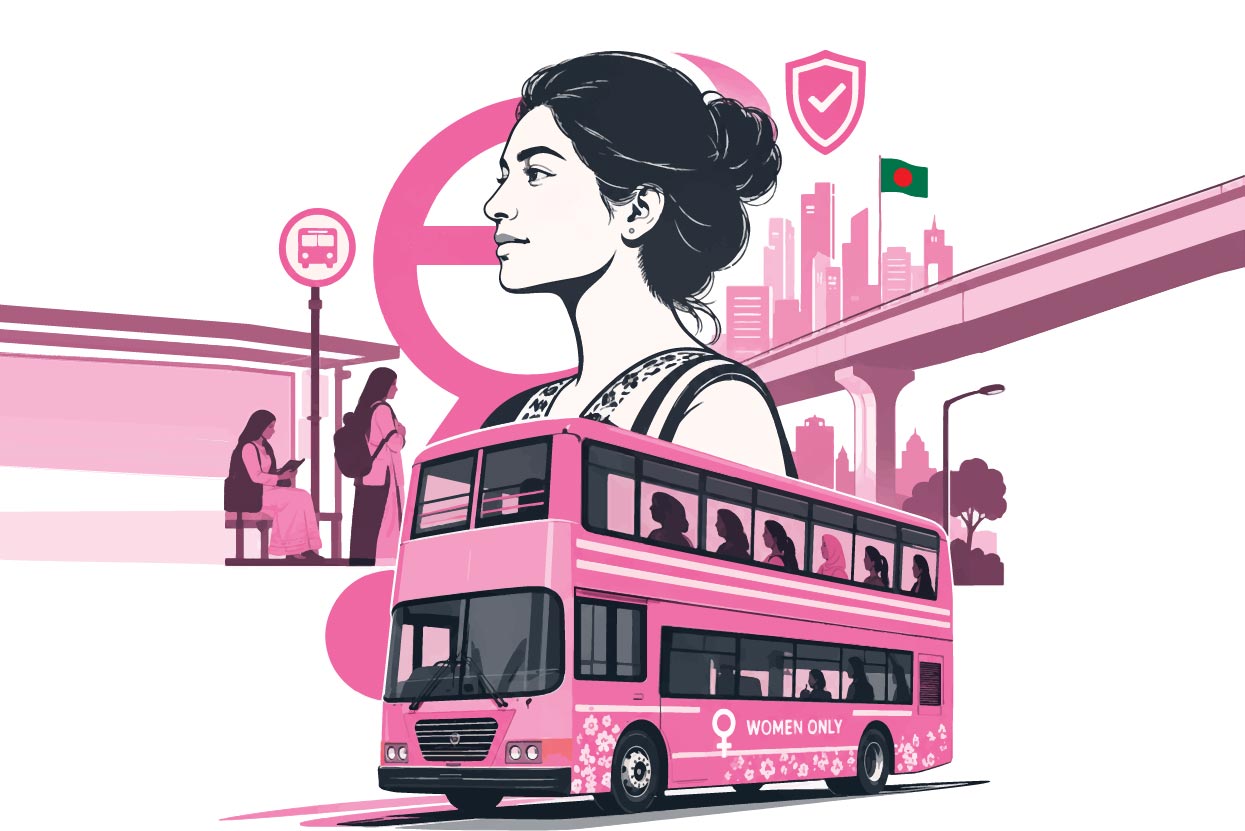
The Pink Bus may create a safer corner within Bangladesh’s transport system, but meaningful progress will depend on what happens when women step onto buses that are not pink.


Nature Versus Nurture
Rubaiya Ahmad of Obhoyaronno asks activists to educate themselves, seek expert insights, a
- Tarin Fatema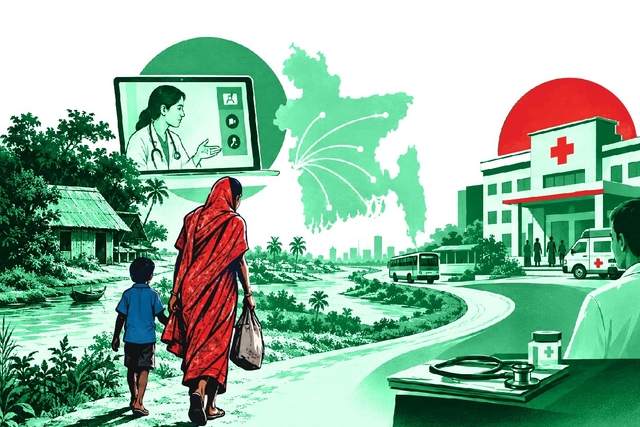
The
distance to care
For millions of rural Bangladeshis, accessing healthcare means travelling long distances, navigating understaffed facilities and shouldering costs they can barely afford. The country has made remarkable progress in health, but geography still determines who can receive timely, quality care.
BY Kongka Sarkar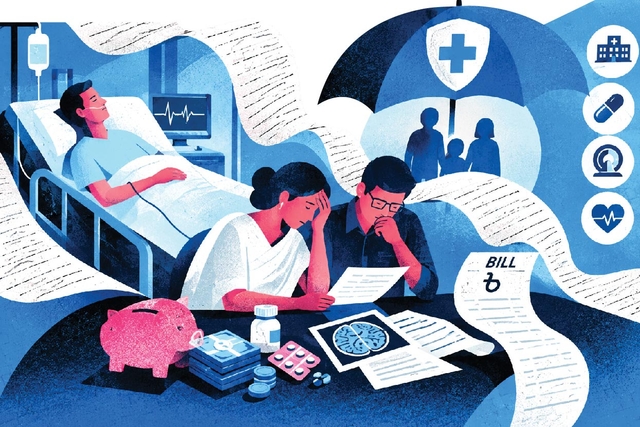
The
Cost Behind The Care
As Bangladesh’s healthcare market expands, families still shoulder most treatment costs, raising a harder question over who ultimately carries the financial risk of illness
BY Shumona Sharmin Sharna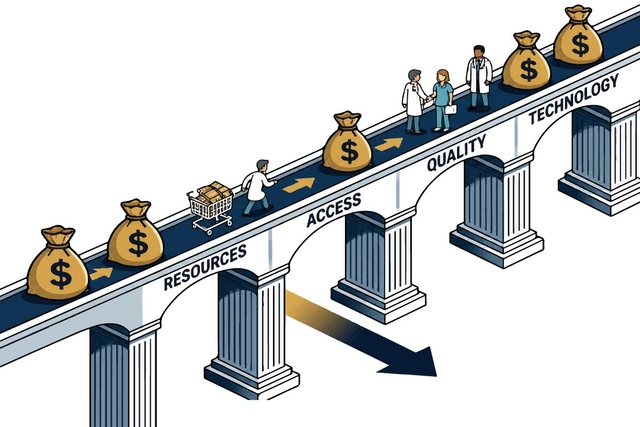
The
efficiency gap in healthcare
The hours lost between appointments, admissions, tests, bills and discharge rarely come from one failing department. They reveal a larger problem: how difficult it is to keep a hospital's people, information and resources moving together — and what managers can do about it.
BY Syeda Tasfiah Islam Myesha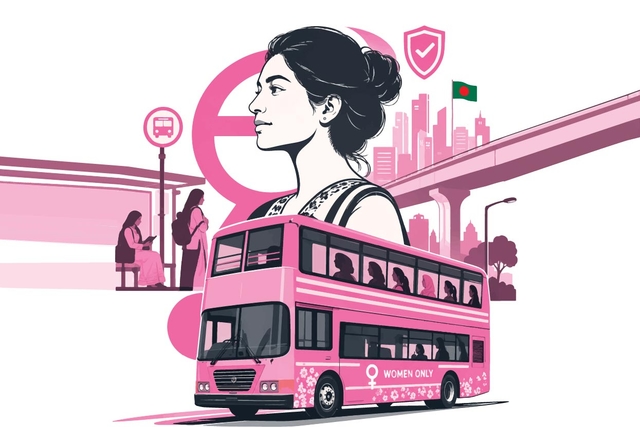
What
happens when the bus is not pink?
The Pink Bus may create a safer corner within Bangladesh’s transport system, but meaningful progress will depend on what happens when women step onto buses that are not pink.
BY Noorzahan Binte Tanzim
money, big influence
From smartphones and fashion to family purchases and social media trends, Bangladesh’s young consumers are shaping the market in ways that their wallets alone cannot explain.
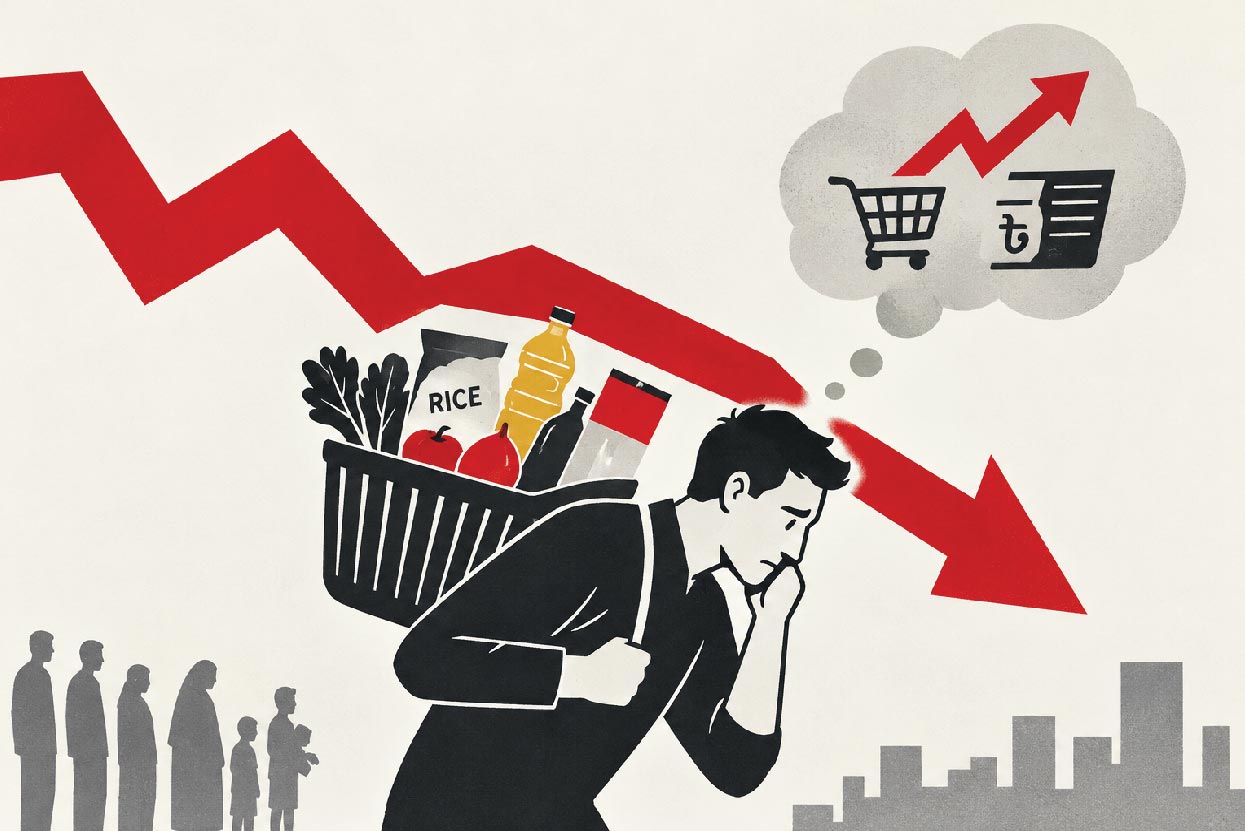
the consumer
When purchasing power is under pressure, knowing what consumers think — and what they expect next — can be as important as knowing what they are spending today.

Cost of Cheap Water
Bangladesh’s factories have long treated groundwater as a low-cost input. Depletion, pollution and delayed regulation are turning it into a threat to production.
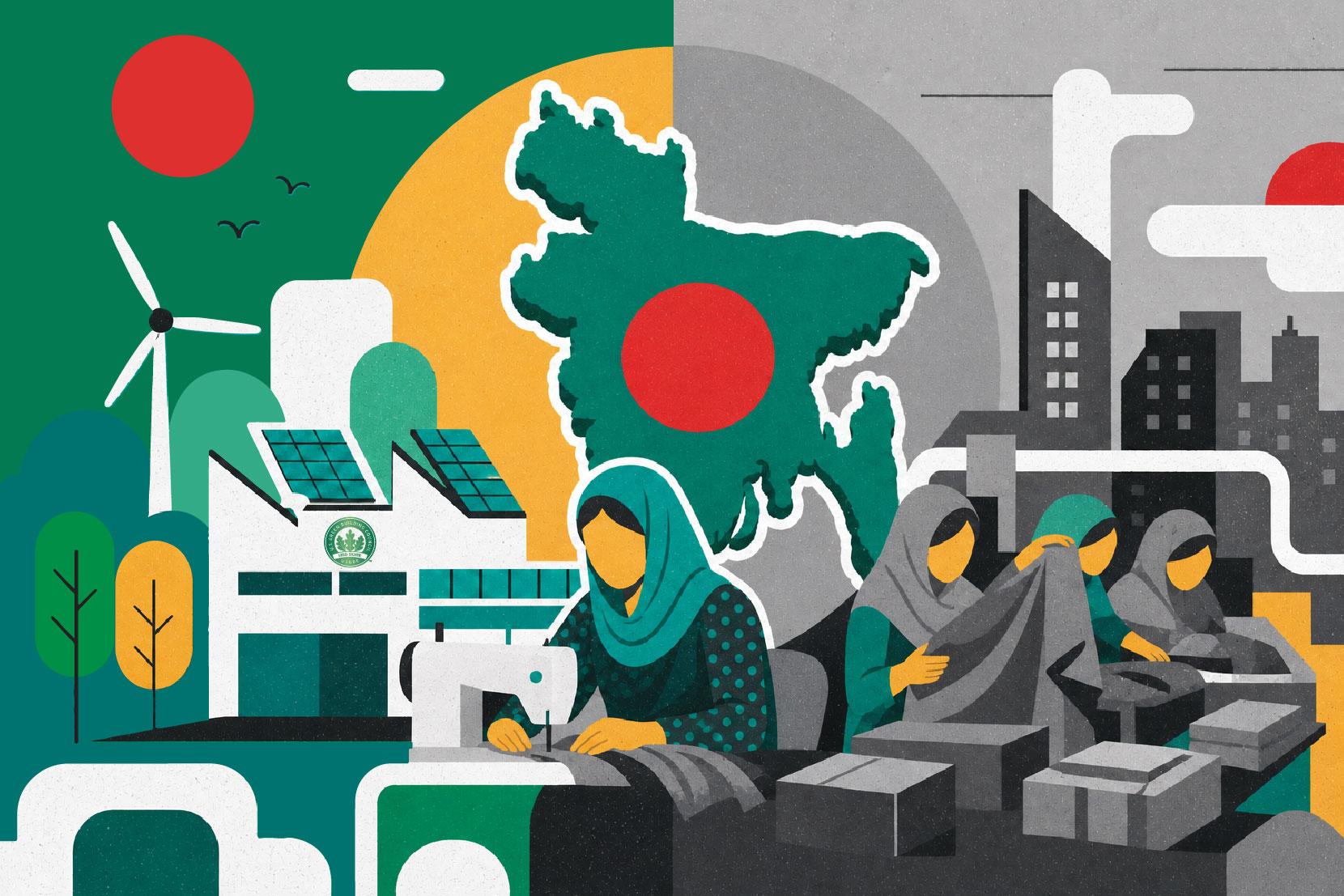
Buildings, Grey Cities
Bangladesh has proved it can build world-class green factories. The harder question is why the same logic has not reshaped the buildings where people live, work, study and seek healthcare.

Great Bag Debate
Aarong’s BYOB initiative as a case study in loss aversion and habit change

Or Swim
At the 3rd National Youth Wellness Festival by The Flow Fest, held at BRAC University, nearly a thousand students from ten universities moved between dialogue, movement, and shared experience, quietly reimagining what well-being can look like in practice.
