climate-corner
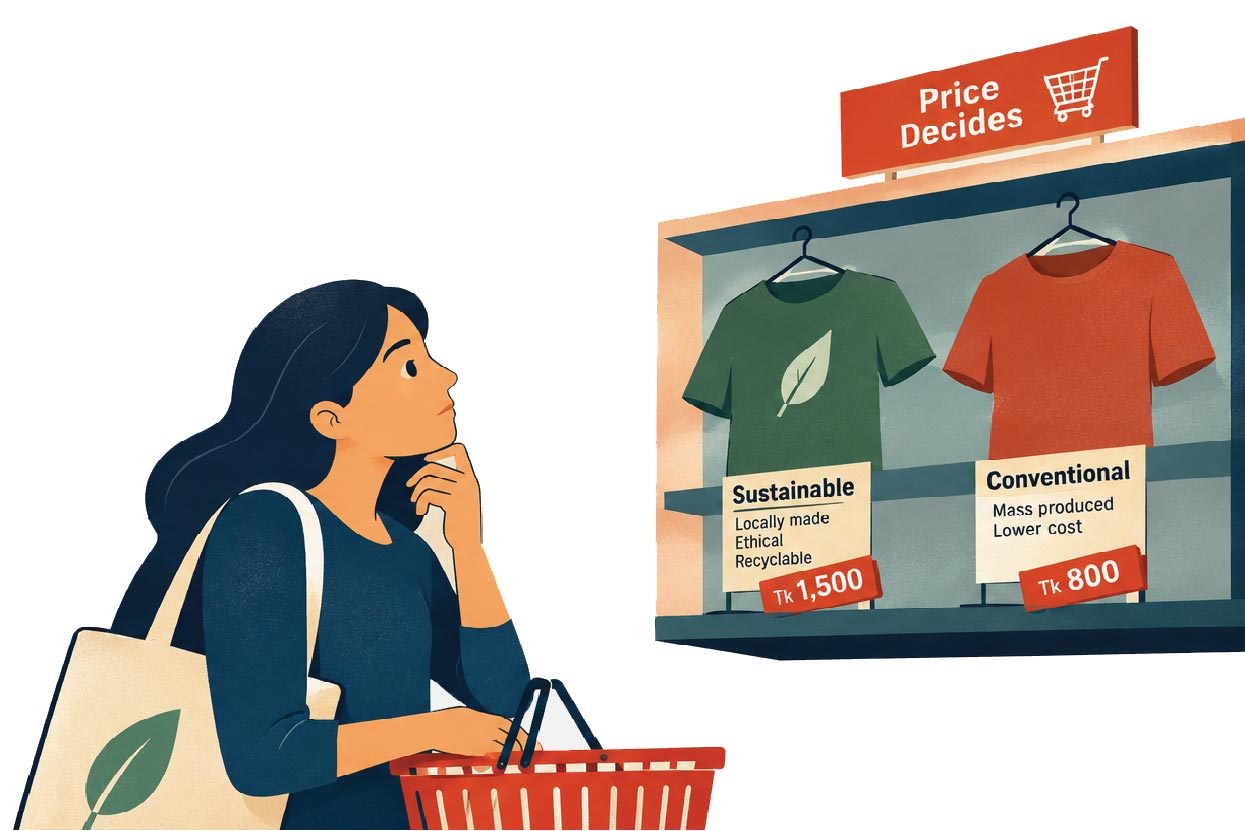
price of doing right
As awareness of sustainability grows, Bangladesh faces a harder question: who should bear the cost of making consumption more responsible when greener choices remain more expensive and less accessible?

Continuity Gap
In climate diplomacy, language moves faster than infrastructure. While the rhetoric of COP has entered an urgent, operational phase, the structural realities — how money flows, who holds power, and how projects are built — remain entirely static. The result is a system expanding in scope, but trapped by its own design.

Heat Tax
Extreme heat is quietly eroding Bangladesh’s productivity. While workers continue to show up, the true economic cost is increasingly borne through slower output, rising health risks and losses that businesses rarely measure.

You See It Yet?
Renewables are a vital safeguard for energy security during global crises. So why aren’t we jumping on board already?

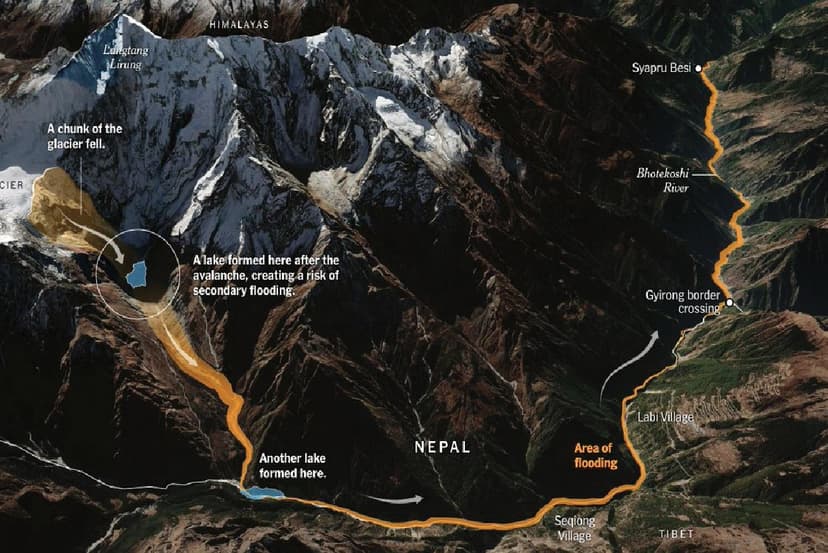
How climate risk becomes financial risk
Carbon markets can reward Nepal for protecting its forests, but they cannot replace a dest
- Noorzahan Binte Tanzim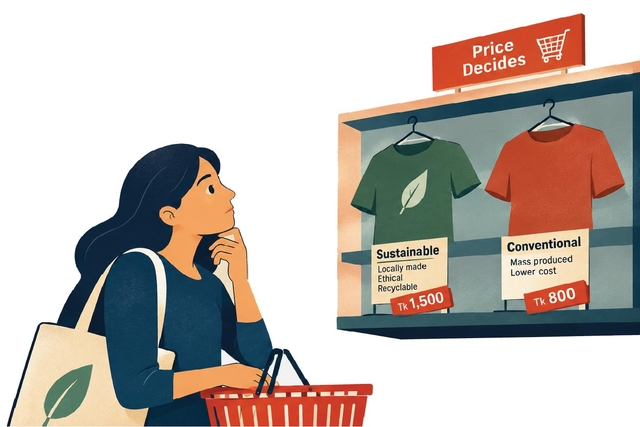
The
price of doing right
As awareness of sustainability grows, Bangladesh faces a harder question: who should bear the cost of making consumption more responsible when greener choices remain more expensive and less accessible?
BY Noorzahan Binte Tanzim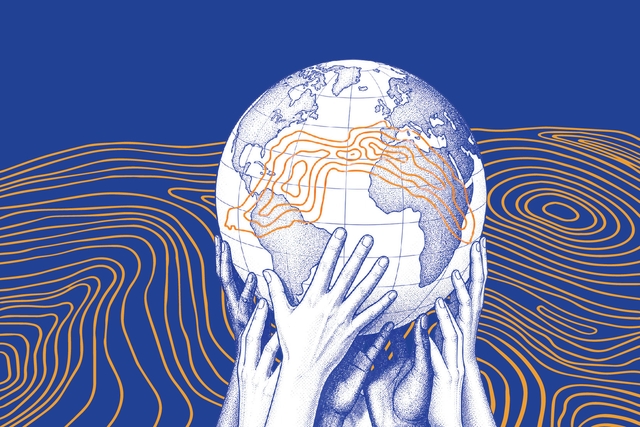
The
Continuity Gap
In climate diplomacy, language moves faster than infrastructure. While the rhetoric of COP has entered an urgent, operational phase, the structural realities — how money flows, who holds power, and how projects are built — remain entirely static. The result is a system expanding in scope, but trapped by its own design.
BY Bristi Chowdhury
The
Heat Tax
Extreme heat is quietly eroding Bangladesh’s productivity. While workers continue to show up, the true economic cost is increasingly borne through slower output, rising health risks and losses that businesses rarely measure.
BY Shumona Sharmin Sharna
Do
You See It Yet?
Renewables are a vital safeguard for energy security during global crises. So why aren’t we jumping on board already?
BY Anjum N Choudhury
Waste Into Wealth: Bangladesh Enters the Carbon Market Era
Bangladesh is aiming to unlock a powerful new engine for economic growth by rolling out its nascent carbon economy framework, a move that holds the potential to convert environmental compliance into tradable wealth and attract global investment.

Climate, Community
With documented work spanning humanitarian response, disaster risk reduction, gender-responsive climate adaptation, youth leadership, and inclusive governance, Bindu Nari Unnayan Sangathan presents a data-backed model of grassroots feminist development in Bangladesh.

to Survive Climate
As climate extremes disrupt classrooms across Bangladesh, education emerges not just as a casualty — but as a critical solution for resilience, equity, and long-term climate action.

Ground, Seeking Dignity
The crisis of climate-induced displacement remains a daily reality in Bangladesh, requiring urgent action.

Big, Climate Scientists!
How today’s STEM graduates can help battle climate change for a greener Bangladesh.

Post-Carbon Nirvana Illusion
A thought experiment that dismantles the illusion of a post-carbon utopia, revealing how inequality, conflict, and the race to control new resources may deepen existing power imbalances in our pursuit of a greener world.
