in-focus
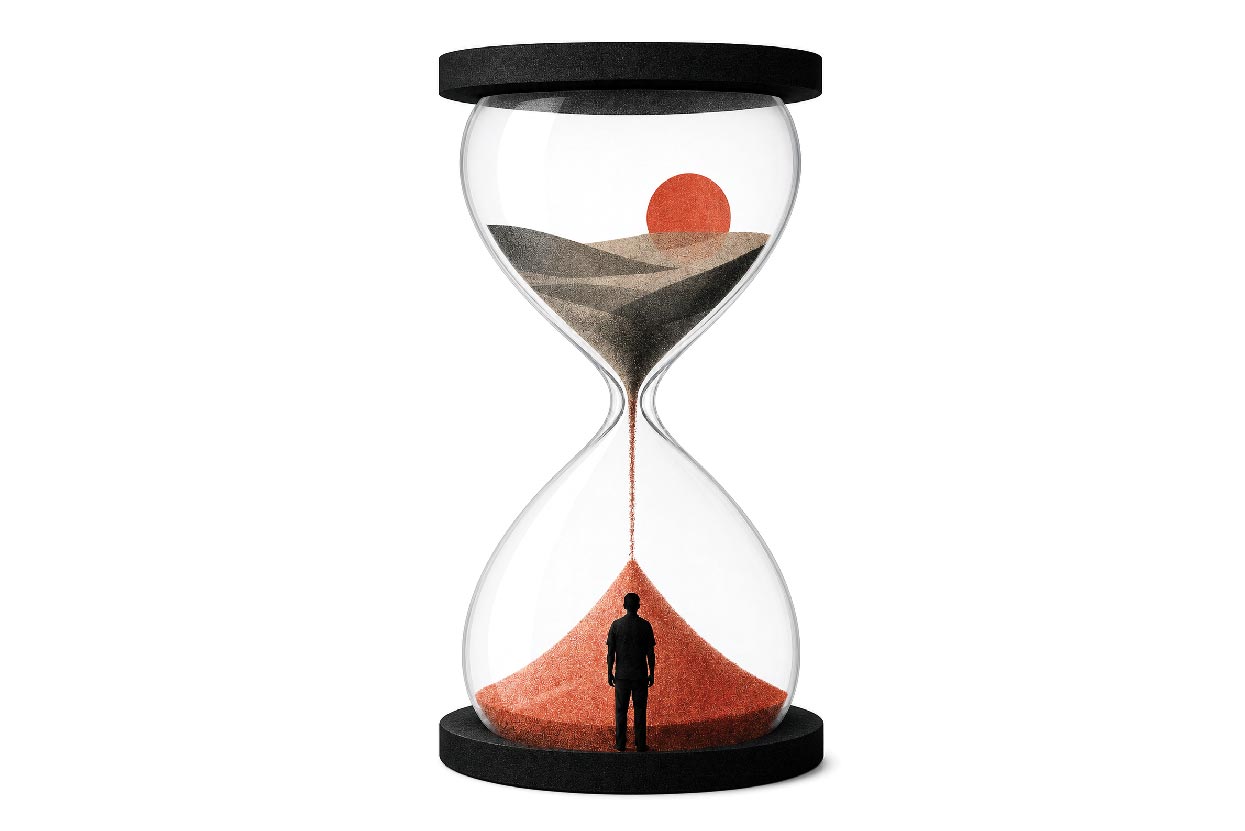
patients we reach too late
Bangladesh has expanded NCD screening and treatment, but the harder test is whether it can stop manageable disease from progressing into tomorrow’s strokes, kidney failure and cancer wards
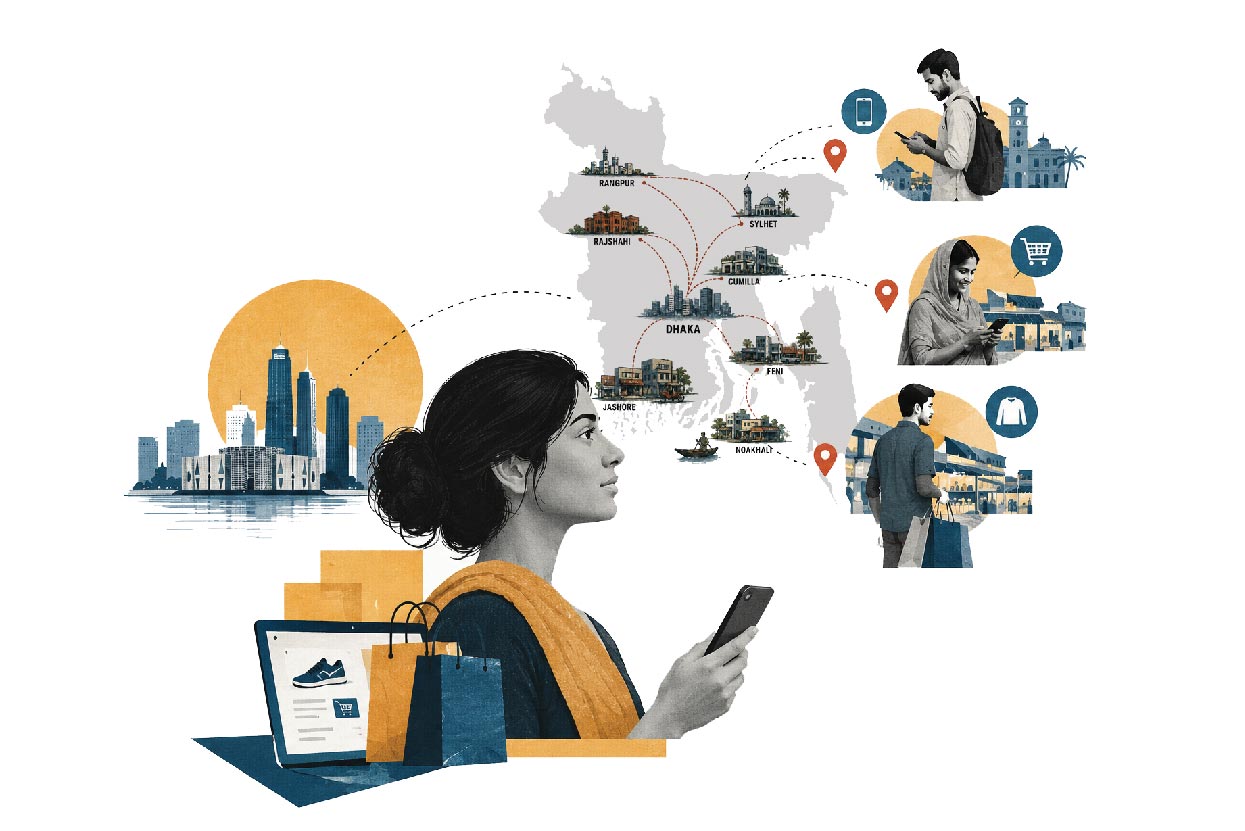
market beyond Dhaka
Digital access, remittances and retail expansion are reshaping demand beyond the capital, creating new consumer markets that businesses can no longer afford to treat as one.
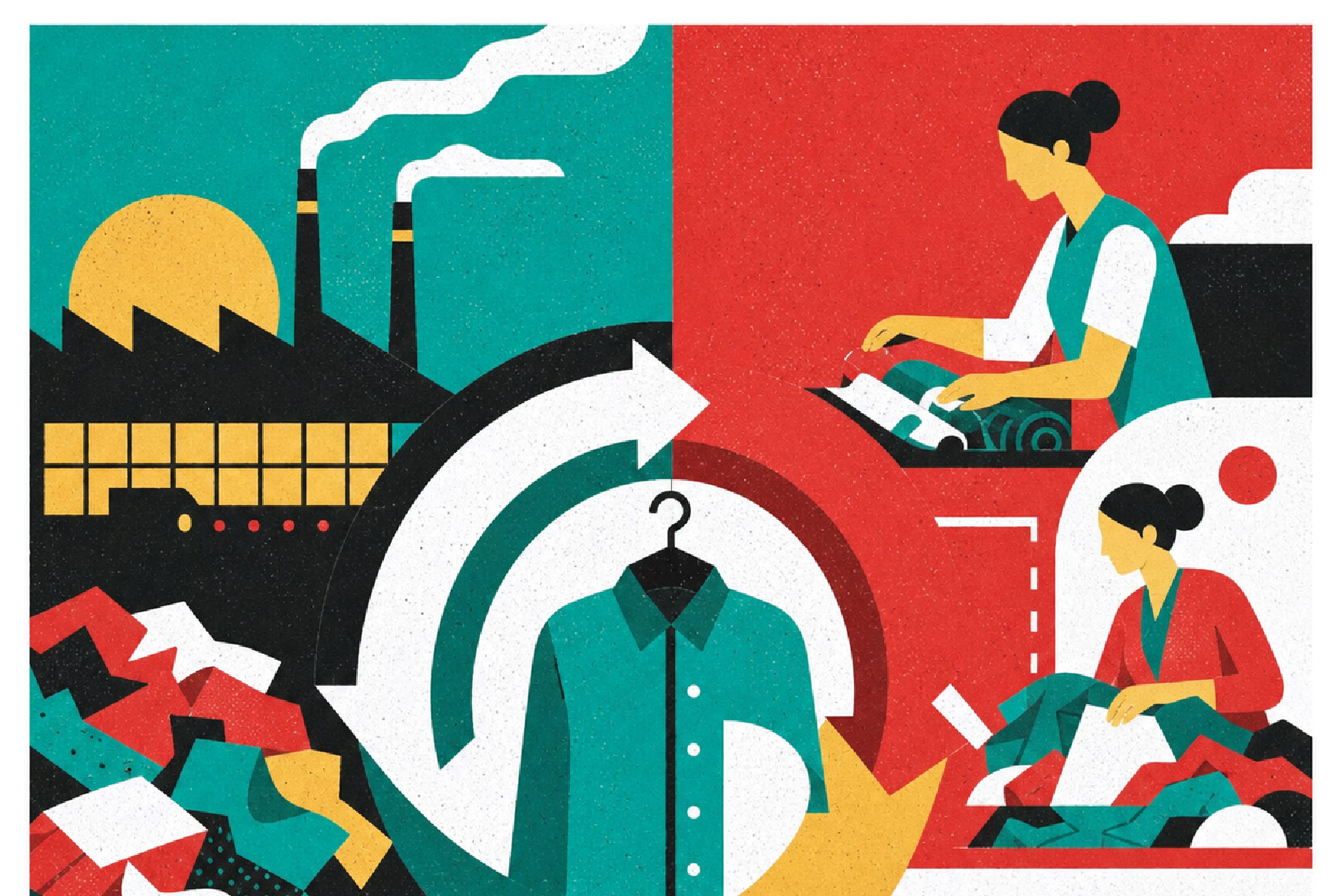
Fabric, Lost Fortune
Bangladesh’s garment scraps could cut import bills, create green jobs and strengthen export competitiveness — but only if jhut moves from opaque scrap trade to traceable industrial feedstock
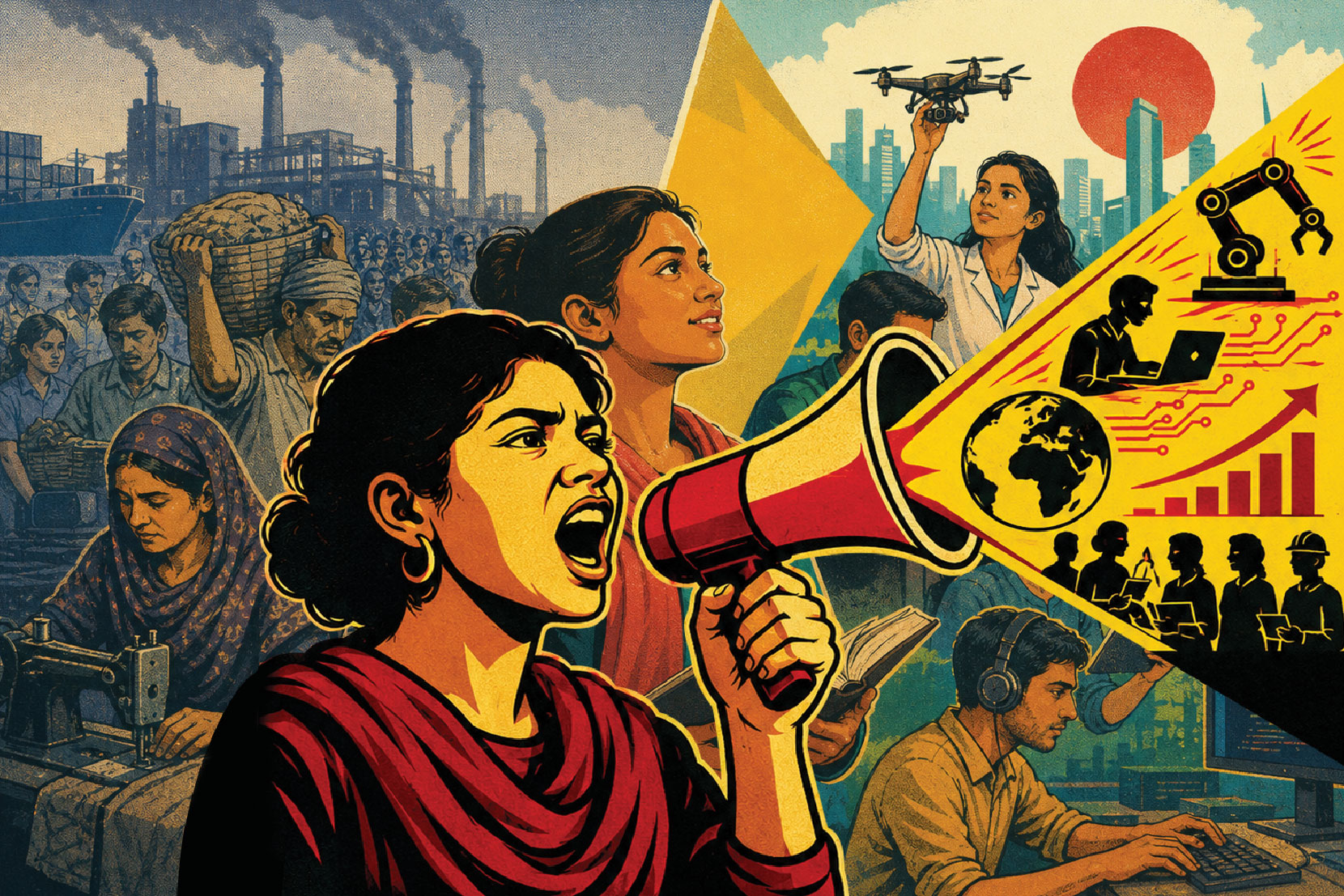
Labour isn’t Enough
As AI and automation reshape global work, Bangladesh must turn its labour advantage into a productivity advantage

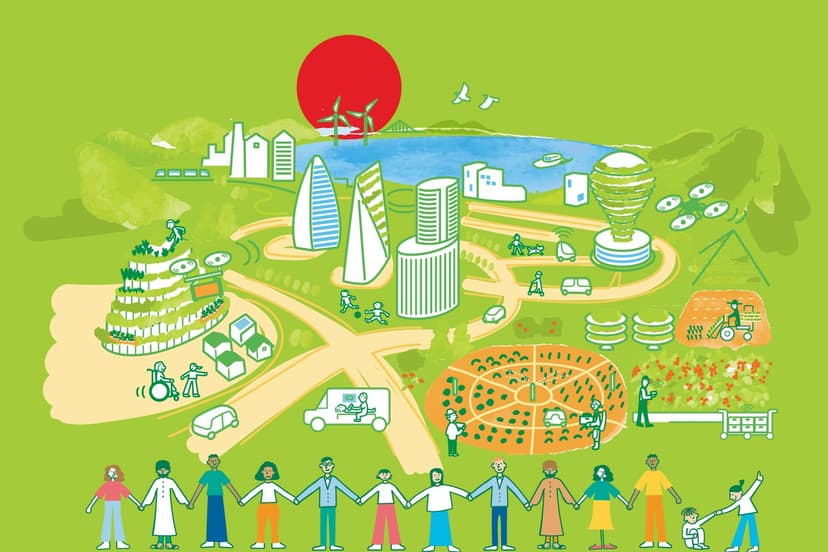
People, Planet & Prosperity
Bangladesh is proving that industry can care, but fundamental challenges remain that must
- Shumona Sharmin Sharna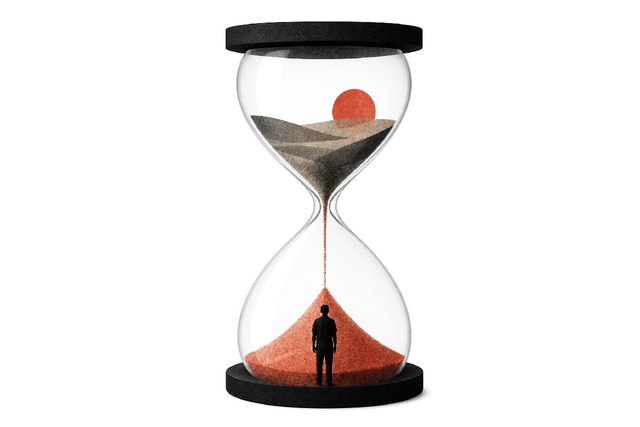
The
patients we reach too late
Bangladesh has expanded NCD screening and treatment, but the harder test is whether it can stop manageable disease from progressing into tomorrow’s strokes, kidney failure and cancer wards
BY Shumona Sharmin Sharna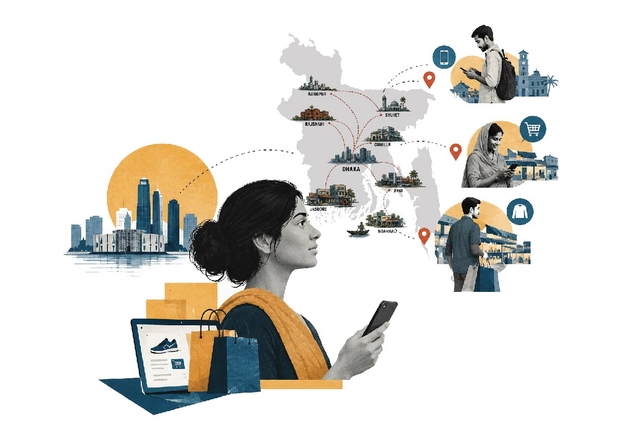
The
market beyond Dhaka
Digital access, remittances and retail expansion are reshaping demand beyond the capital, creating new consumer markets that businesses can no longer afford to treat as one.
BY Shumona Sharmin Sharna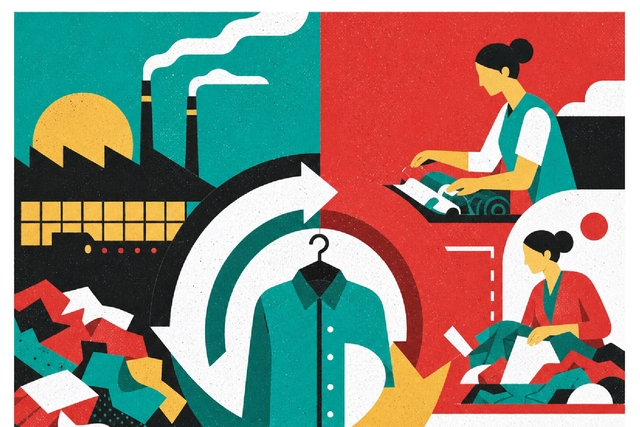
Wasted
Fabric, Lost Fortune
Bangladesh’s garment scraps could cut import bills, create green jobs and strengthen export competitiveness — but only if jhut moves from opaque scrap trade to traceable industrial feedstock
BY Shumona Sharmin Sharna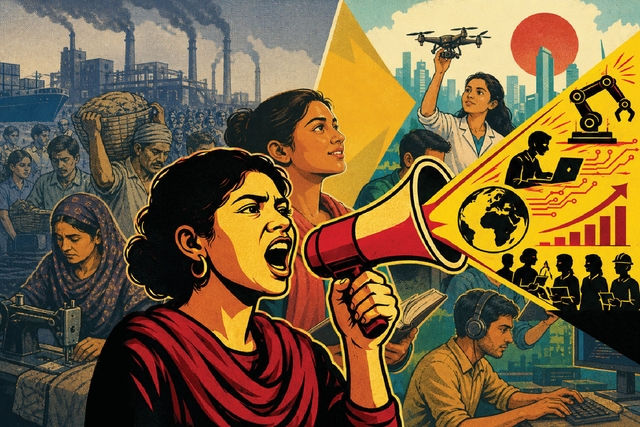
When
Labour isn’t Enough
As AI and automation reshape global work, Bangladesh must turn its labour advantage into a productivity advantage
BY Shumona Sharmin Sharna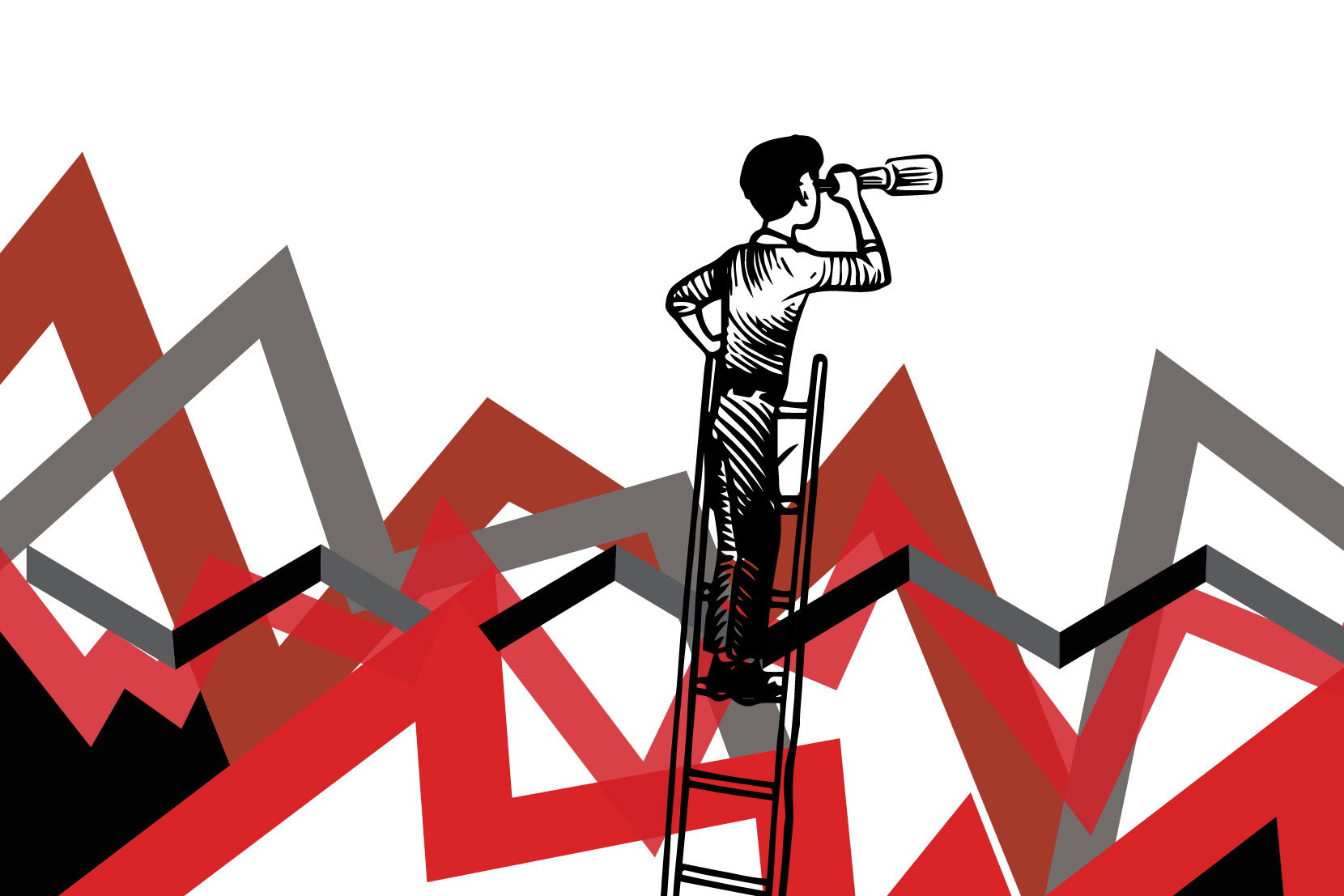
Next Growth Phase
As Bangladesh approaches a new fiscal cycle, policy shifts, productivity gains and private sector confidence will shape the next phase of growth.

Returns of Representation
Over decades, Bangladesh’s structural investment in women has translated into measurable economic strength at home and lessons for the world.
Entrepreneurs, Changemakers
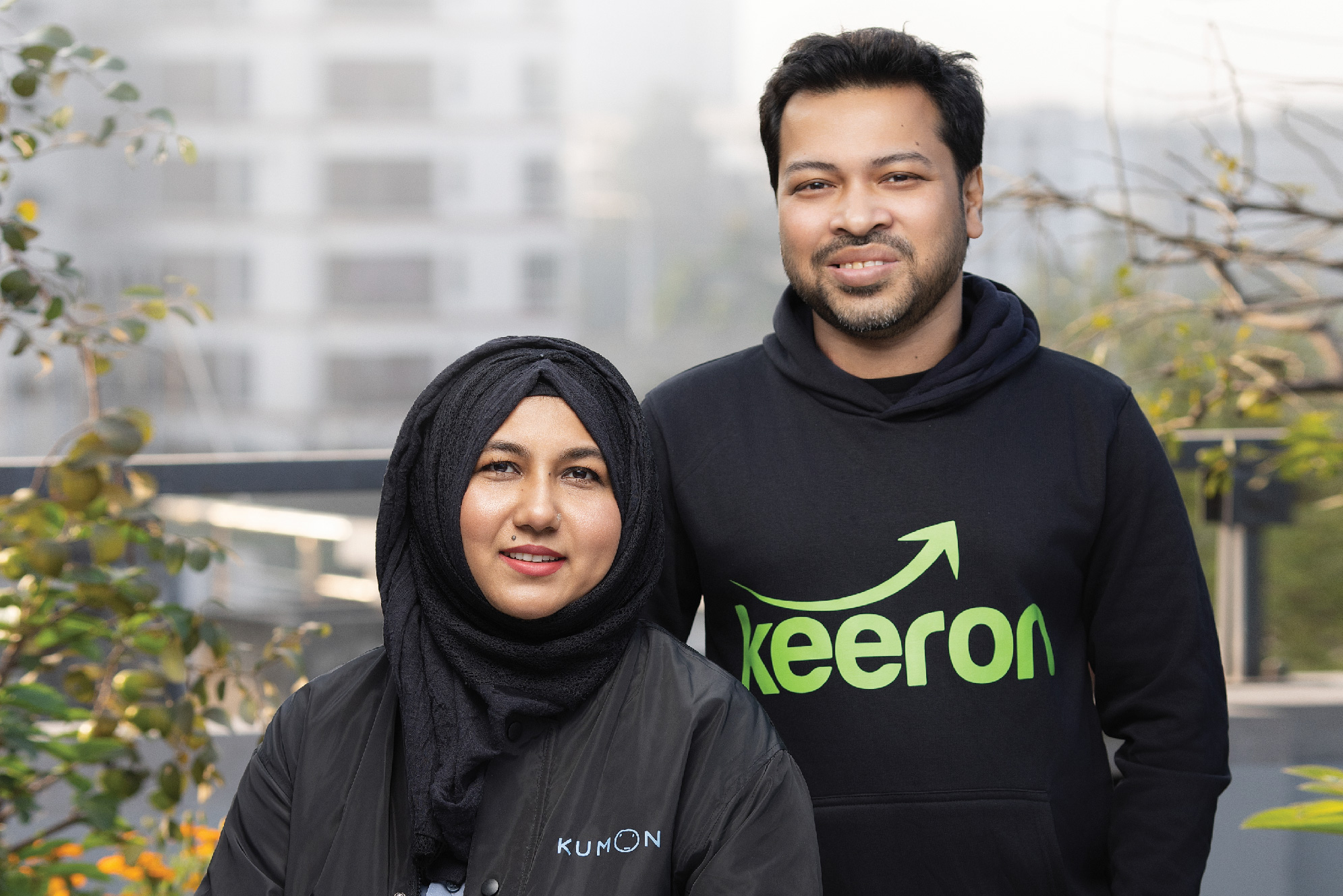
Inside the education vision of Tajdin Hassan, COO of Keeron, and Rhidita Tasnim, Instructor and Franchisee of Kumon Gulshan Center — a story of leadership and learning as they redefine modern education, transform Bangladesh’s learning culture, and reshape academic excellence and digital upskilling.

Strength and Stability
For Bangladesh, 2026 could become a hinge year if strengthening governance, productive capacity, and human capital translates into the everyday reliability its economy depends on.
The Tide Decides
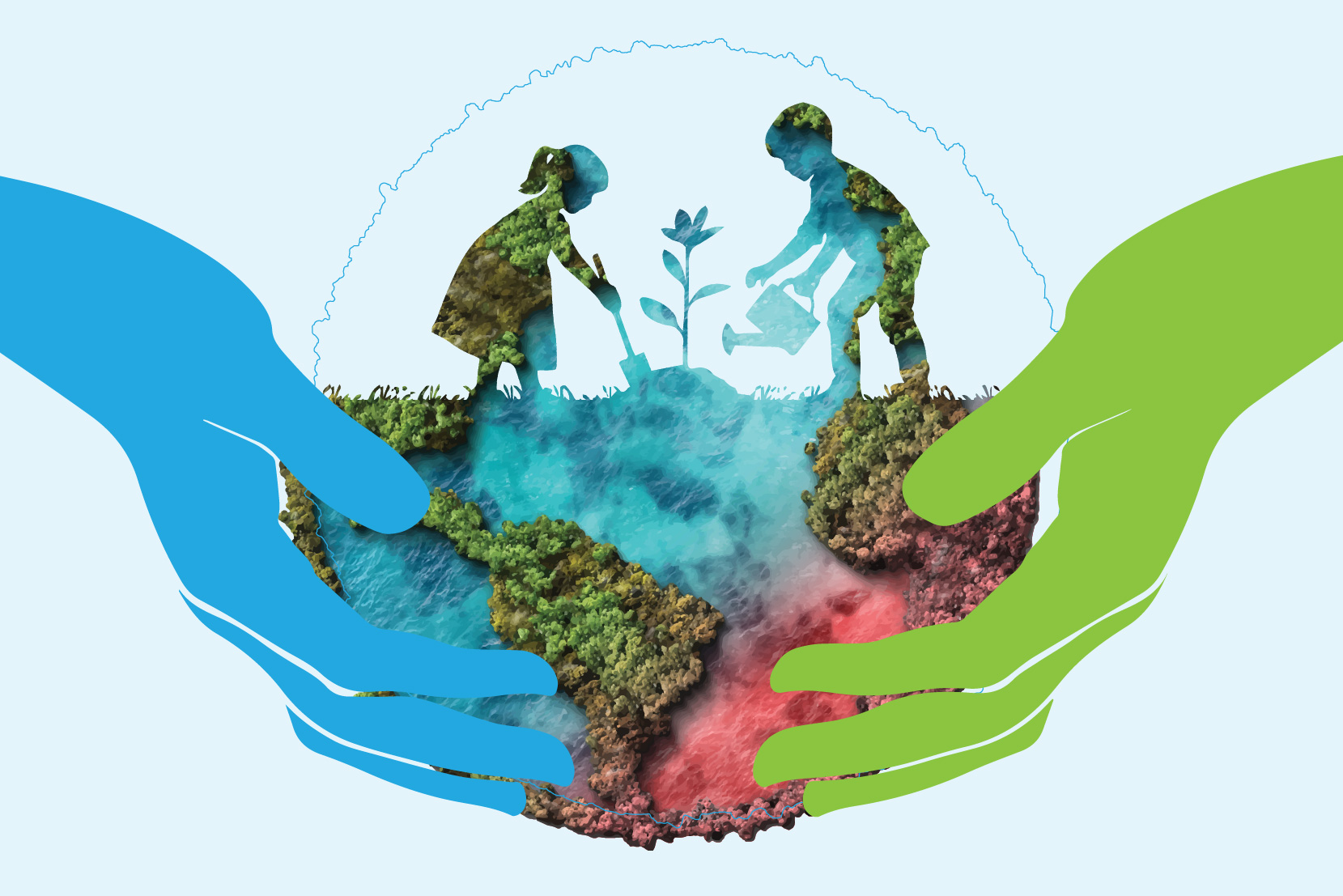
As Bangladesh arrives at COP 30 with rising seas at its doorstep, hopes for real adaptation finance collide with a global system still struggling to deliver climate justice.
and Resilience
Tested by turmoil yet driven by resilience, Bangladesh enters the final stretch of 2025 confronting fires, strikes, and fragile reforms, yet within these trials lie new openings to rebuild smarter, adapt faster, and redefine the path toward a more secure and inclusive future.
