


Columns
This report explores how Gen Z is reshaping Bangladesh’s electoral politics through digital engagement, redefining participation, influence, and campaign strategy.
Quazi Tafsirul Islam is a Senior Lecturer at North South University, Series Editor with Emerald Publishing, UK, and a Senior Consultant with Quazi Consultants.

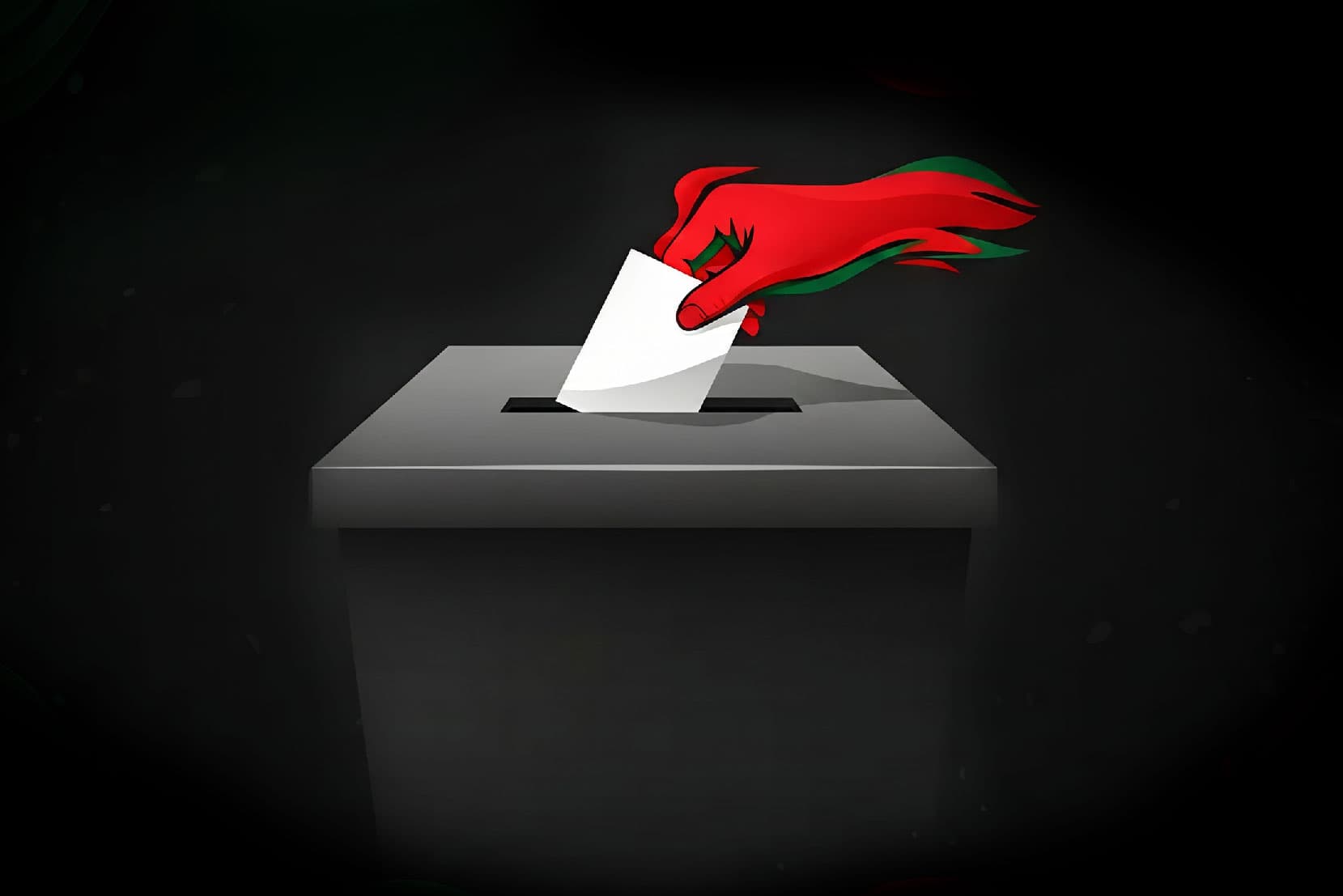
Illustrated By sk. yeahhia
6 January, 2026
Bangladesh is moving toward a national election shaped by an extraordinary political moment. The recent uprising and people’s revolution have altered how citizens perceive power, legitimacy, and participation. At the centre of this shift stand the Gen Zs, with significantly different values, lifestyles, and expectations. This generation is young, digitally connected, and politically aware, compared to the young millennials of the past. They are no longer silent observers. They are active actors in the political ecosystem.
For decades, elections in Bangladesh relied on familiar tools. Street rallies, posters, slogans, and party loyalty dominated political competition. That model is weakening. Politics has moved to digital platforms. Mobile phones and social media feeds have become the main arenas of political engagement. Gen Z did not merely adapt to this shift; they actively embraced it. They accelerated it.
During the uprising, young citizens used Facebook, YouTube, WhatsApp, and Telegram to organise protests, share real-time information, and challenge official narratives. Mobilisation happened without formal leadership or party structures. Information spread faster than institutions could respond. This digital coordination played a crucial role in sustaining public pressure and shaping national events of 2024 that led to the uprising.
As Bangladesh transitions from protest to ballot, a difficult question emerges. Can Gen Z transform digital resistance into real electoral influence?
The Nature of the Gen Z Voter
Gen Z now represents one of the largest groups of new and undecided voters. Many will vote for the first time. Most are students, early-career professionals, or job seekers. Economic stress significantly defines their lived experience.
Youth unemployment remains high. Living costs are rising. Fair access to jobs and opportunities feels limited for many. These realities shape Gen Z’s political outlook. Party loyalty matters less than credibility. Promises matter less than performance. Actions speak louder than words.
Studies show that young voters are increasingly distrustful of traditional political messaging and state-run media. These young individuals rely a lot more on peer networks and digital content for political information. Visual and emotional communication often resonates more strongly than lengthy policy speeches, as in-person, loud speeches may become a relic of the past.
Digital Campaigning Takes Centre Stage
Political actors are responding to this shift. Election campaigns are moving away from physical mobilisation toward online influence. Social media teams, targeted messaging, and digital storytelling have become essential tools for election campaigns.
This transformation changes how politics functions. Digital platforms reward speed and emotion. Content that provokes anger or hope spreads quickly. As a possible downside, complex policy explanations often struggle to capture the attention of the general public. For Gen Z, this creates both empowerment and vulnerability. Digital platforms allow young voices to be heard. They also expose young voters to manipulation at an unprecedented scale. This presents a major challenge for the upcoming election.
Misinformation and Electoral Risk
Misinformation is one of the most serious threats facing the upcoming election. False claims, edited videos, AI-generated content, and misleading narratives spread rapidly during periods of political uncertainty. Bangladesh is particularly vulnerable due to high social media usage and uneven digital literacy. Freedom House documents the use of coordinated disinformation campaigns to influence political opinion and discredit opponents in Bangladesh. Such campaigns tend to intensify in the lead-up to and during elections.
Misinformation targets emotions rather than facts. It exploits fear, identity, and resentment. Young voters are frequent targets because they are highly active online and tend to be sceptical of official sources. When false narratives dominate, confusion grows. Trust declines. Voters disengage. This weakens electoral legitimacy and democratic stability.
How to Avoid Falling into the Trap
Protecting oneself from misinformation does not require advanced skills. It requires discipline and awareness. First, pause before reacting. Content designed to provoke strong emotions is often misleading. Emotional urgency is a warning sign.
Second, verify sources. Trusted news organisations with clear accountability are safer than anonymous pages or forwarded messages. Cross-checking information across multiple credible outlets reduces risk. There are multiple satire pages on different social media platforms; learn to differentiate between them.
Third, look for context and clues. Edited clips, screenshots, and isolated quotes are common tools for manipulation; try to find context.
Fourth, avoid echo chambers. Following only like-minded pages narrows perspective and increases vulnerability to false narratives. Try to follow different pages from differing views to form your judgement before forming your own opinion or sharing the content.
Finally, remember that not sharing unverified content is a civic responsibility. Silence can prevent harm.
Another challenge for Gen Z is the gap between online engagement and institutional power. Digital participation creates visibility. Elections require organisation, strategy, and long-term commitment. Many youth-led movements struggle to make this transition. They mobilise protest energy but fail to sustain electoral influence. A Reuters article noted that Gen Z activists in Bangladesh face challenges in competing with established political structures, despite their prominence during the uprising. This does not mean Gen Z lacks power. It means that power must mature.
Despite internal diversity, Gen Z voters share clear priorities. Jobs matter more than ideology. Fairness matters more than loyalty. Institutions matter more than personalities. They want elections to produce real change, not symbolic victories. They want leaders who listen and systems that respond. Economic dignity and opportunity remain central demands. These expectations have broader implications. Youth exclusion fuels instability. Youth inclusion supports reform and confidence. Therefore, the upcoming election will largely feature youth-driven activities and promises.
This election is a test for Bangladesh’s political system and for Gen Z itself. It will show whether digital mobilisation can evolve into democratic responsibility. It will show whether politics can move beyond performance toward delivery. Gen Z has already changed how power is challenged. The challenge now is to change how power is exercised.


%20Square%20Ad%20-11.jpg&w=640&q=75)
%20Horizental%20AD-01.jpg&w=3840&q=75)