

Climate Corner
With documented work spanning humanitarian response, disaster risk reduction, gender-responsive climate adaptation, youth leadership, and inclusive governance, Bindu Nari Unnayan Sangathan presents a data-backed model of grassroots feminist development in Bangladesh.

Photograph collected
5 March, 2026
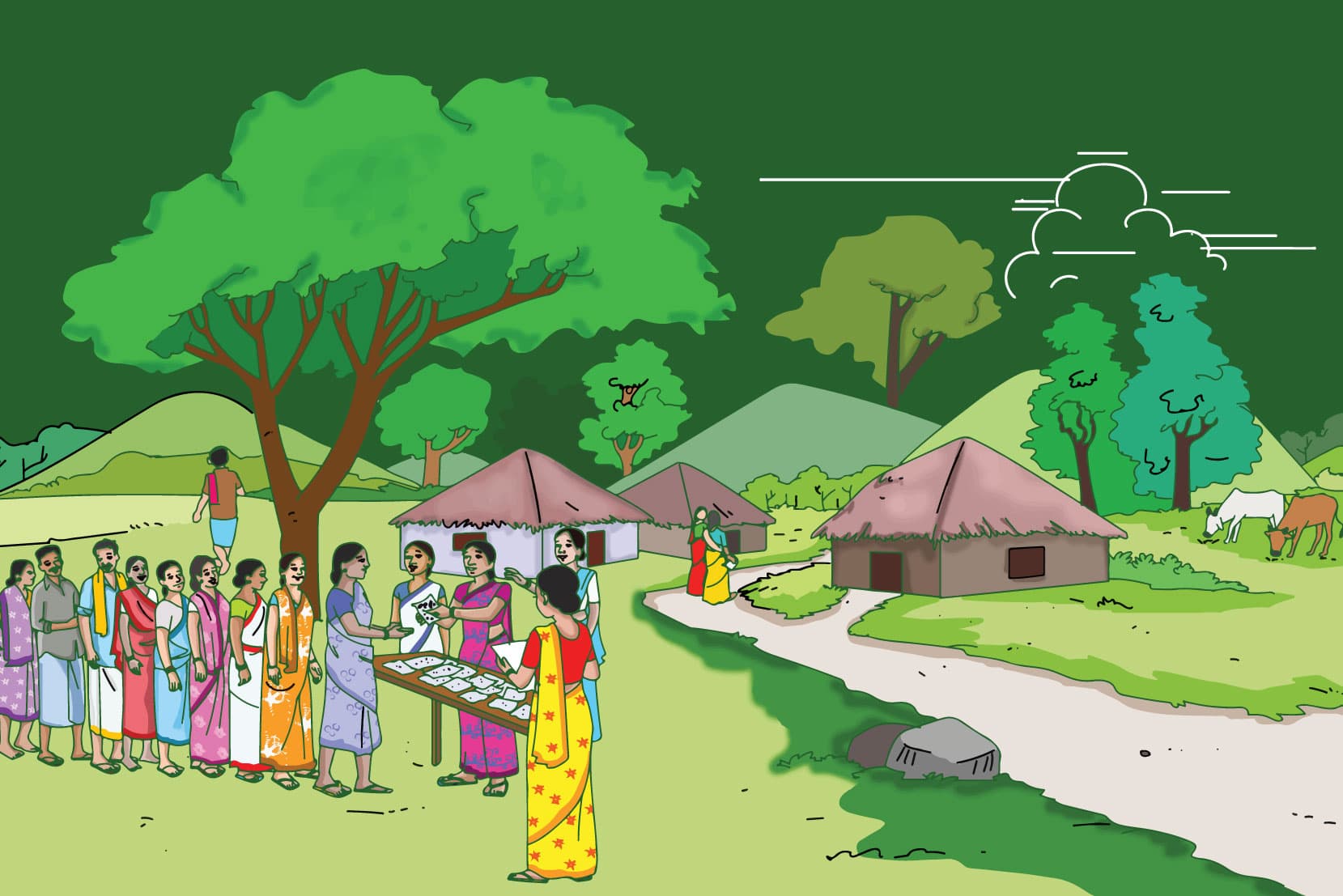
Bindu Nari Unnayan Sangathan is a non-profit, youth-led feminist organisation, initiated in 1995 by a group of primary school–going child environmental activists. From simple roots — a group composed of young girls who started campaigning against the use of polythene bags as part of their efforts toward building a sustainable environment — to becoming one of the most impactful NGOs for Bangladesh’s climate action at the grassroots level, this is the Bindu story.
Early Bindu Years
Between 1995 and 2007, Bindu engaged in activism through a range of social and environmental initiatives. These included tree plantation campaigns, advocacy against child marriage and dowry, cultural events, and activities addressing other contemporary social issues. Their engagement remained community-based and youth-driven during this period.
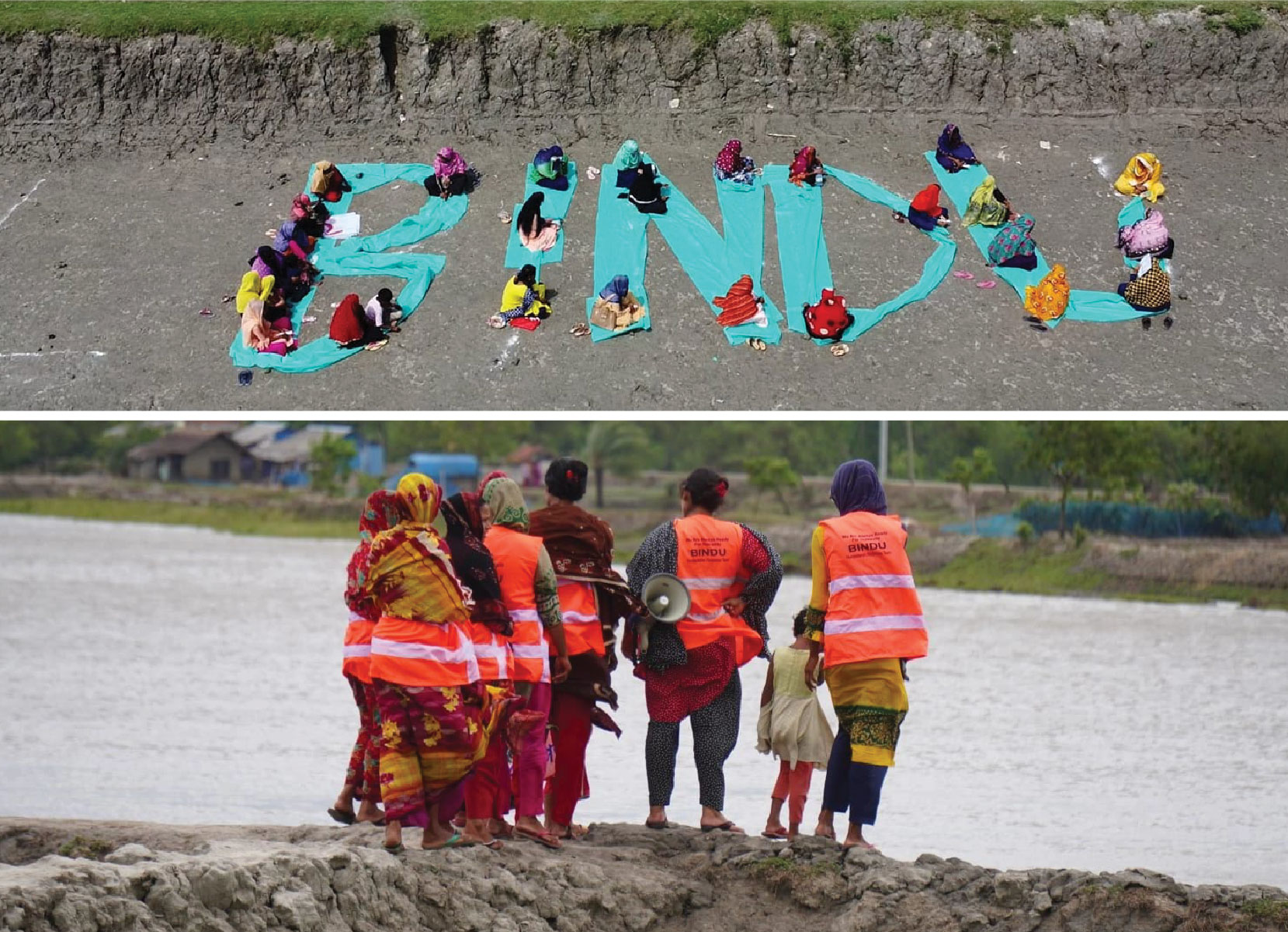
In 2007, when the devastating super cyclone Sidr struck Satkhira and caused widespread destruction, the group initiated humanitarian response efforts. Following this experience, it began implementing Disaster Risk Reduction (DRR) and climate change programmes in the south-western coastal areas of Bangladesh. The organisation reports 18 years of experience in humanitarian response and disaster management.
In 2014, Kaliganj Upazila was declared the first child marriage–free upazila in Bangladesh. The youth group directly contributed to stopping early marriages in collaboration with local government authorities.
In 2016, members of the group formalised their work by founding Bindu Nari Unnayan Sangathan as a registered organisation. Since then, it has operated with a structured organisational framework while maintaining its youth-led feminist identity.
Vision and Purpose
Bindu Nari Unnayan Sangathan states that its purpose is to promote gender equality, social justice, and human rights by empowering women, youth, and marginalised communities. The organisation describes itself as committed to building inclusive, resilient, and sustainable communities through grassroots leadership, access to essential services, and the promotion of climate justice, peace, and democratic values.
Its stated vision is a just society in which individuals, regardless of gender, identity, or background, can live with dignity, safety, and equal opportunity. The organisation follows an inclusion-focused approach, incorporating women from diverse backgrounds into leadership and decision-making roles. This includes differently abled women, indigenous and ethnic minority women, religious minorities, LGBTQ individuals, migrants, young women, and climate-vulnerable young women.
Thematic Areas of Work
Bindu Nari Unnayan Sangathan works across interconnected thematic areas focused on gender equality, resilience, and inclusive development.
In women’s empowerment, the organisation promotes leadership in decision-making, delivers capacity-building initiatives, supports entrepreneurship and income generation, addresses structural causes of gender-based violence, and provides protection and rehabilitation for women in vulnerable situations. Youth empowerment initiatives centre on skills development, leadership promotion, and innovation. Child welfare programming ensures access to education, supports vulnerable children — including street children and children with disabilities — and advocates against child labour and child repression.
Livelihood initiatives prioritise marginal and climate-vulnerable families through alternative income generation, skills training, and support for small and medium enterprises. Health, nutrition, and WASH programming promote inclusive rural health systems, sexual and reproductive health and rights, disease prevention, food security, safe drinking water, sanitation, and hygiene awareness.
In education and digital access, BINDU advances inclusive and STEM education for rural women, ICT-based learning, cybersecurity awareness, and legal assistance against cyberbullying. The organisation also engages in governance, democracy, human rights, and peacebuilding through advocacy for gender-responsive public services, citizen participation, accountability, rule of law, and non-violent conflict resolution.
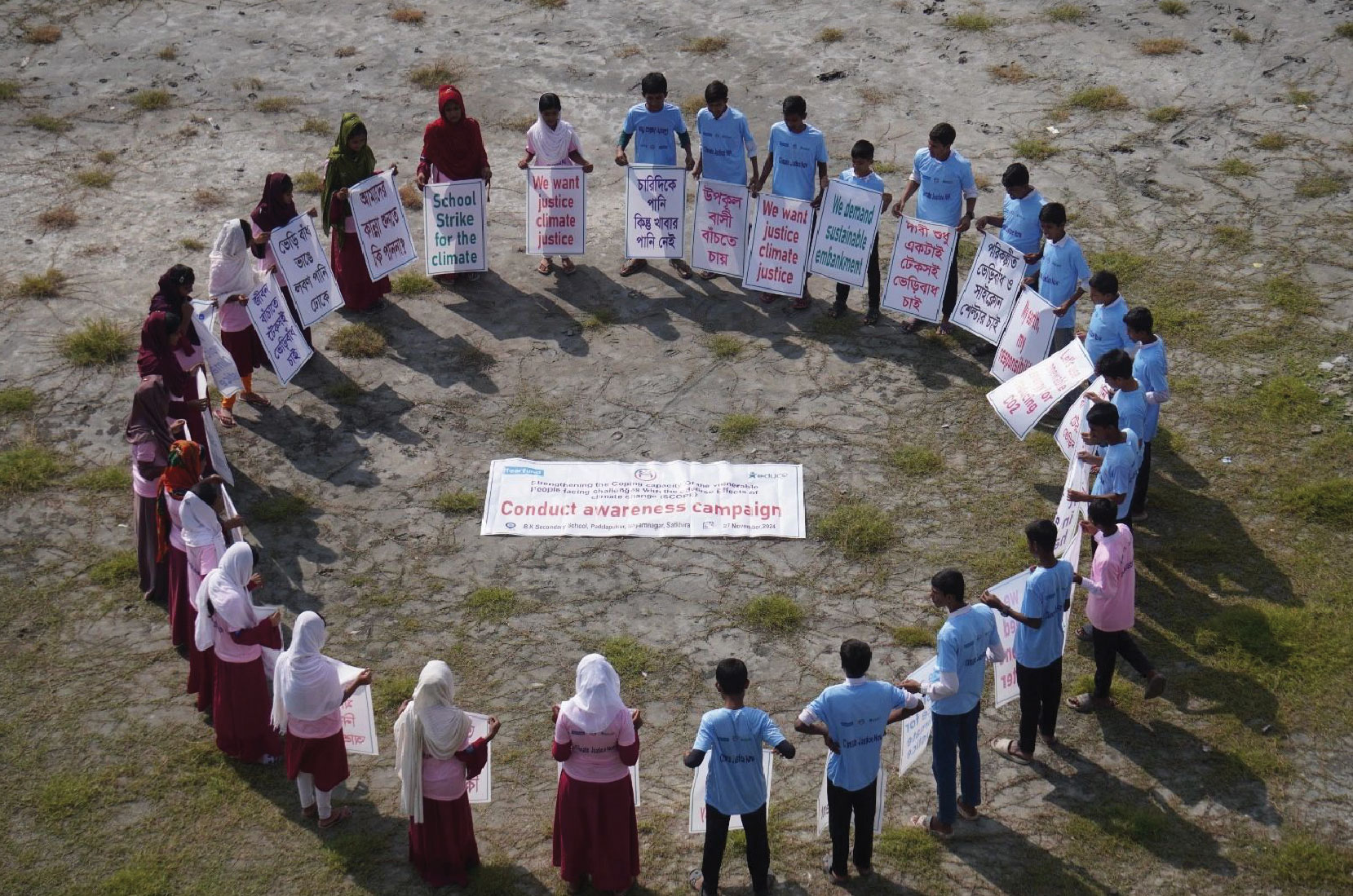
Environment, climate justice, and disaster response remain central to its work, including climate education, adaptation and mitigation initiatives, nature-based solutions, youth-led climate innovation, humanitarian response, and community capacity-building. Research and evidence-based advocacy support the integration of local knowledge into national and international platforms.
Project Portfolio and Reach
Since December 2018, Bindu Nari Unnayan Sangathan has conducted 51 projects in collaboration with more than 30 partners. Over the past two years, major activities have included youth climate awareness initiatives, renewable energy promotion, gender-responsive climate-smart livelihood programmes, inclusive adaptation schemes, community risk assessments, risk mitigation action planning, adaptation and mitigation practices, mentorship programmes, and organisational capacity-building initiatives.
The scale of these projects has varied. Fourteen smaller projects have directly reached between 50 and 400 individuals each. Ten medium-sized projects have reached between 500 and 800 individuals. Eighteen medium-to-large projects have reached between 1,000 and 5,000 individuals. Nine larger projects have reached between 10,000 and 100,000 individuals.
On average, each project has directly reached more than 7,200 people. Of these, more than 4,300 women and more than 2,800 men have been directly reached per project on average. Across all 51 projects, BINDU reports reaching more than 1.3 million people.
Indirect reach per project has ranged from 500 to 500,000 individuals. On average, projects have indirectly benefited more than 32,000 individuals. While women constitute the primary beneficiaries, men have also participated in most initiatives. Eleven projects have been exclusively focused on women.
Partnerships and Networks
Bindu Nari Unnayan Sangathan maintains partnerships with 12 youth-led organisations operating in Satkhira, Dhaka, and Barisal. It also collaborates with 12 women-led organisations working in Satkhira and Dhaka. These partnerships contribute to programme implementation, community engagement, and regional outreach.
Organisational Values
The organisation identifies honesty, transparency, accountability, mutual respect, creativity, gender sensitivity, cost efficiency, participation, solidarity, safeguarding, inclusion, sustainability, justice, learning, and reflection as its core values. These principles are reflected in its programming and organisational practices.
Through its continued implementation of projects in climate justice, humanitarian response, women’s empowerment, governance, and social inclusion, Bindu Nari Unnayan Sangathan operates across coastal and urban regions of Bangladesh. Its activities focus primarily on women and marginalised communities, with structured programming across multiple thematic areas aligned with sustainable development objectives.


%20Square%20Ad%20-11.jpg&w=640&q=75)
%20Horizental%20AD-01.jpg&w=3840&q=75)
