

The Foundation
Women-led NGOs across Bangladesh are working on gender rights, labour protection, violence prevention, and economic inclusion, shaping development efforts at the community and national levels.

Illustrated By sk. yeahhia
8 March, 2026
In Bangladesh, women continue to navigate deeply rooted gender norms, economic disparities, and pervasive violence despite measurable strides in education and labour force participation. Recent national data reveal that intimate partner violence affects a significant majority of women, with about 76% reporting having experienced some form of such violence in their lifetime and 49% in the past year, according to the 2024 Violence Against Women Survey conducted by the Bangladesh Bureau of Statistics and UNFPA. Although women’s participation in the workforce and schooling has increased over recent decades, gender gaps persist in access to safe employment, equity in income, and representation in decision-making. Within this broader social and development context, women-led non-governmental organisations (NGOs) in Bangladesh have played a pivotal role in addressing gender-specific challenges through grassroots organising, advocacy, empowerment programmes, and community engagement. The following highlights four such organisations and the phenomenal work they undertake.
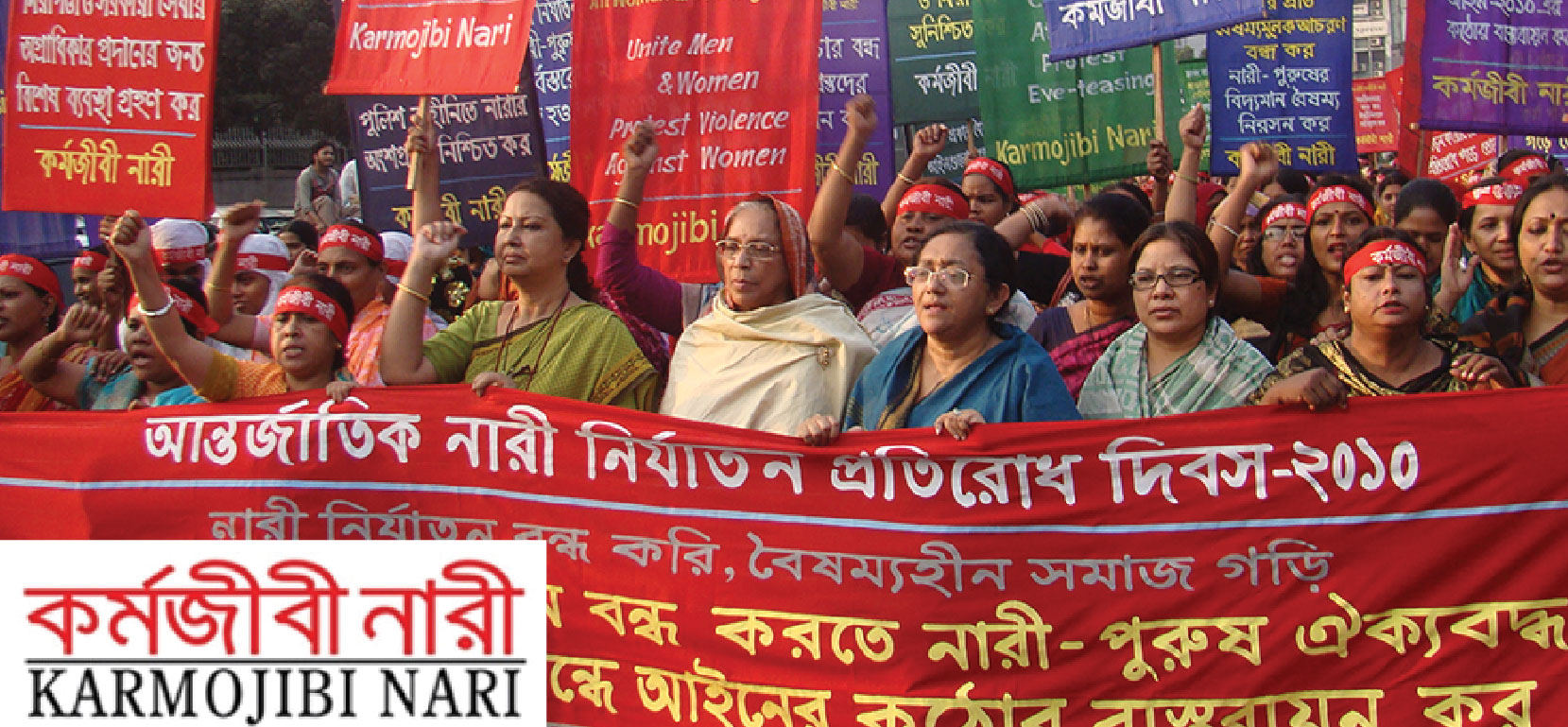
Karmojibi Nari
Karmojibi Nari is a national, women-led organisation that began its work in 1991. Its primary objective is to strengthen the rights, dignity, power, and authority of women, particularly women workers in Bangladesh. Karmojibi Nari stands with women in both the formal and informal sectors, aiming to build collective leadership among women workers, and advocates with authorities for the harmonisation and effective implementation of labour laws. The organisation’s vision centres on establishing a just, egalitarian society free from exploitation and discrimination, in which women and labourers can enjoy their rights. Its work encompasses promoting women’s participation in national movements, developing leadership through workplace cells, advocating for the implementation of labour regulations and international conventions, and creating strategies for worker rehabilitation and reintegration, including support for returnee women migrants.
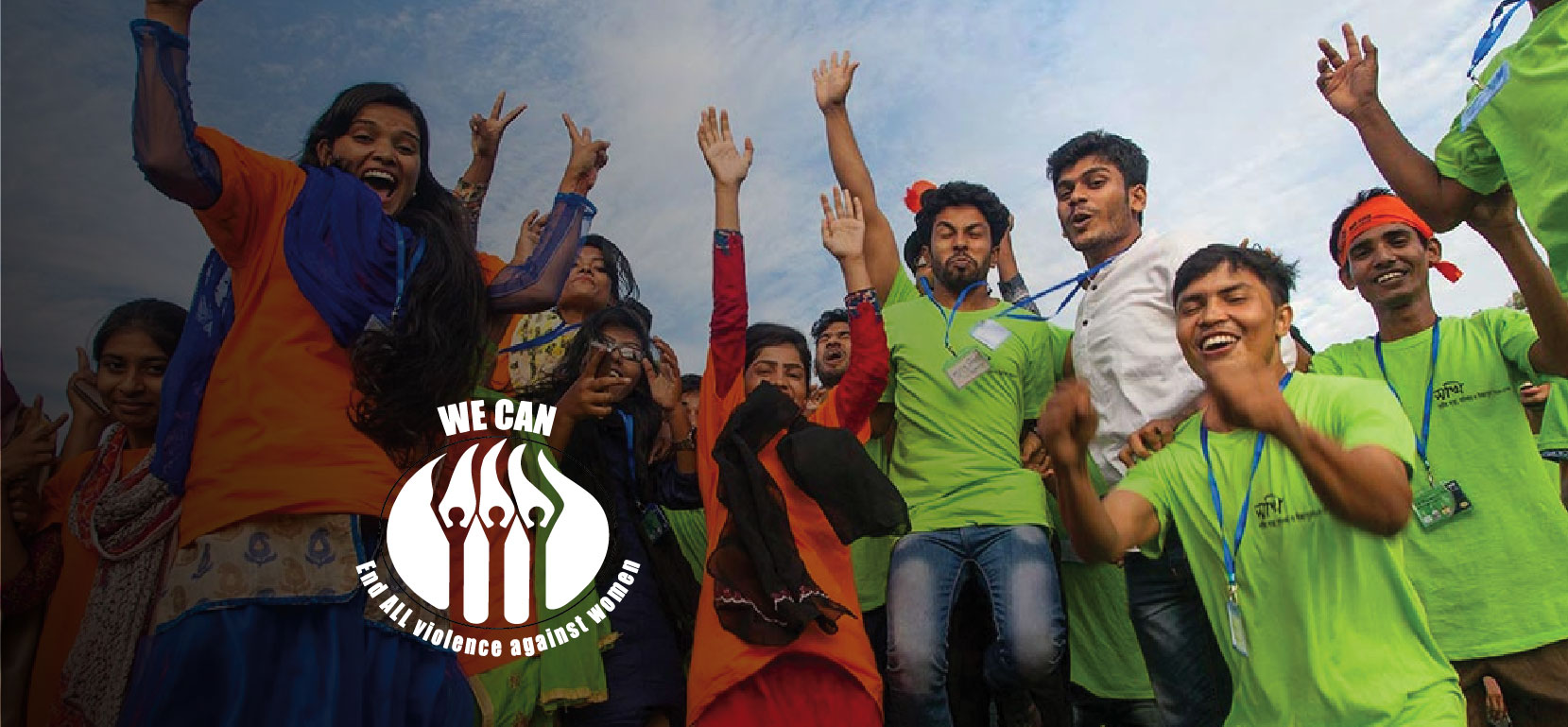
Amrai Pari
WE CAN (Amrai Pari) began as a programme in 2004 aimed at transforming societal attitudes towards violence against women. The initiative sought to break the silence, denial, shame, and stigma surrounding domestic violence and other forms of gender-based violence by raising awareness and fostering public accountability. After six years as a regional campaign, the Amrai Pari programme evolved into an independent registered organisation under the Department of Social Welfare of the Government of Bangladesh in 2011. It is managed through a National Committee and district committees, and has built a network involving hundreds of educational institutions, youth clubs, and organisations engaged in advocating against violence. To date, it has mobilised over one million change-makers across the country. WE CAN works to shift deeply entrenched patriarchal norms and encourage collective action to prevent violence against women and promote safety and respect within communities.
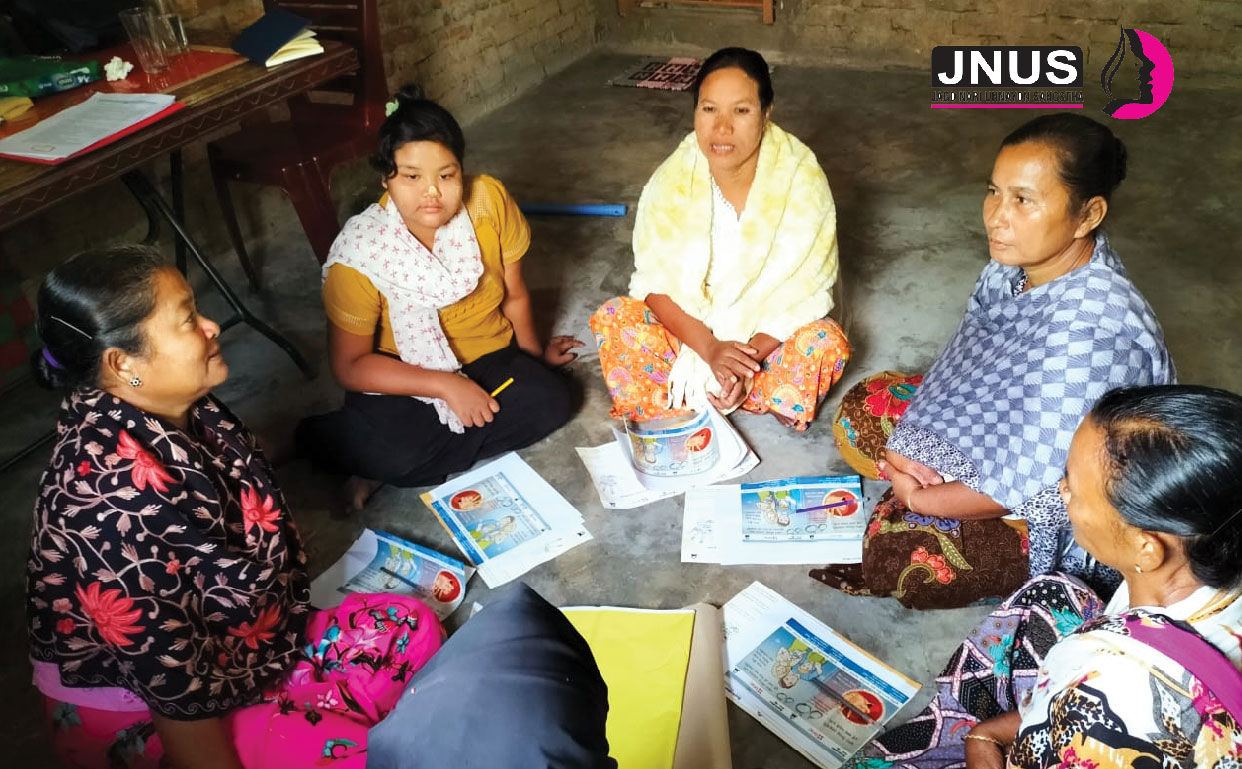
Jago Nari Unnayon Sangstha
Jago Nari Unnayon Sangstha (JNUS) is an independent, non-profit, non-political NGO founded in 2009, based in Cox’s Bazar. It focuses on promoting gender equality, women’s empowerment, and social cohesion, with particular emphasis on preventing gender-based violence (GBV). The organisation designs and implements programmes that facilitate dialogue among community actors, government and civil society stakeholders, and vulnerable groups through consultations, seminars, and workshops. JNUS also conducts research and surveys to identify issues requiring intervention to uphold the human rights of women and ensure access to justice. Through these efforts, JNUS provides networks, resources and platforms for coordinated action against various forms of GBV and vulnerability.
Home - Jago Nari Unnayon Sangstha (JNUS)
SNAD Foundation
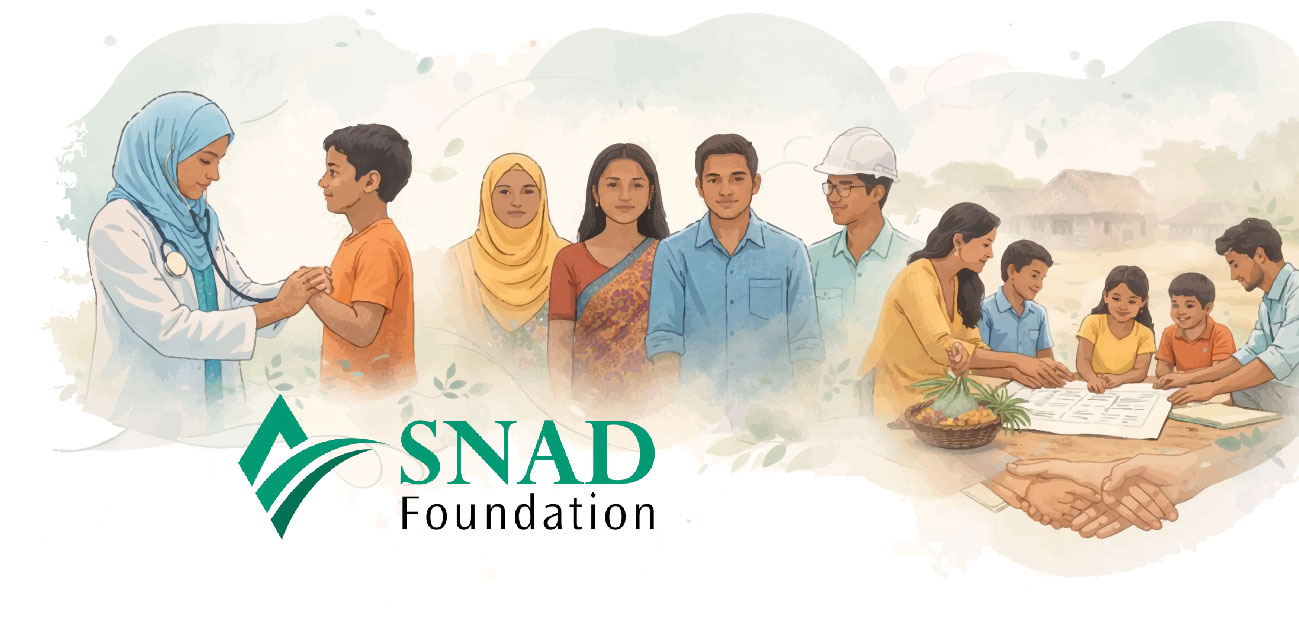
SNAD Foundation Bangladesh, founded in 2008, addresses economic exclusion faced by many women due to limited access to skills training, capital, and entrenched social norms. The organisation provides women with vocational and entrepreneurship training, business development support, and pathways to employment or self-run enterprises. SNAD Foundation’s programmes include practical skill development in areas such as tailoring and home-based production, along with initiatives that connect graduates with private sector buyers, mentorship networks, and financial institutions. Recognising that empowerment extends beyond technical training, the foundation also engages families, community leaders, and local stakeholders to foster inclusive attitudes toward women’s work and leadership. Through these approaches, SNAD Foundation aims to create sustainable livelihoods and financial independence for women, reinforcing their participation in economic life.
Non-Profit Organization in Bangladesh – SNAD Foundation
These women-led NGOs exemplify diverse approaches within Bangladesh’s civil society landscape for advancing gender equality, women’s rights, and economic participation. Each organisation operates within specific domains, contributing to a multifaceted response to enduring gender-related challenges.
As Bangladesh continues to evolve socially and economically, the work of women-led NGOs remains an integral part of efforts to address systemic inequalities and support women in realising increased agency, dignity, and opportunity across society.


%20Square%20Ad%20-11.jpg&w=640&q=75)
%20Horizental%20AD-01.jpg&w=3840&q=75)
