

The Foundation
From home nursing to doorstep doctors and affordable hospitals, new models of care are filling the gaps in Bangladesh’s healthcare system with innovative, patient-centred solutions.

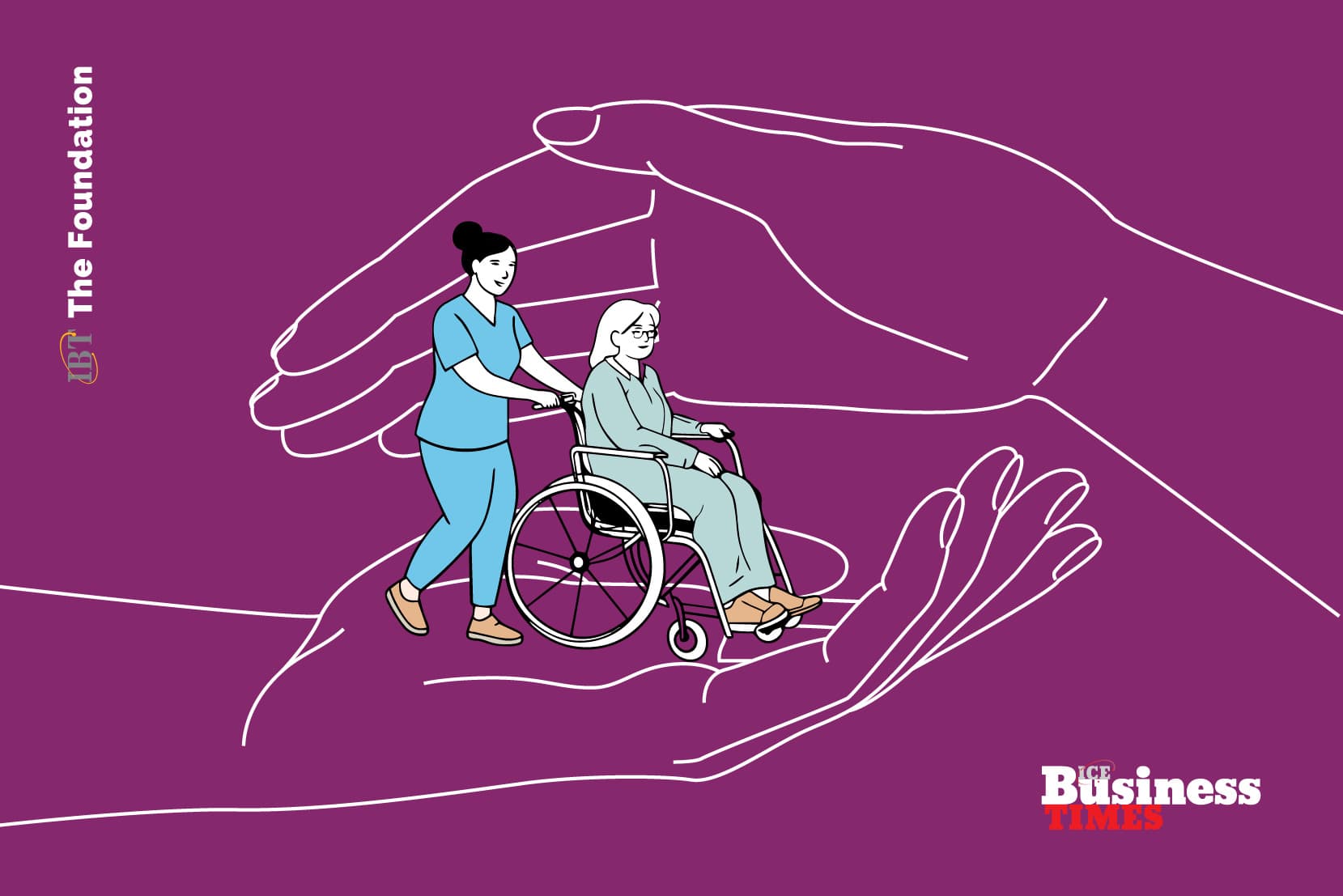
Illustrated By sk. yeahhia
18 September, 2025
When we think of healthcare in Bangladesh, the picture of crowded hospital corridors, families waiting hours for a few minutes with a doctor, or ambulances struggling to reach the hospital with a critical patient through packed city streets flashes before our eyes. What if something could be different? What if a 72-year-old elderly woman could wake up after surgery in the comfort of her own home, a retired teacher no longer had to brave the traffic and heat to reach a clinic because a doctor came to his door, or beyond a district town, a young mother gave birth in a modern hospital that charged her less than half of what a private clinic would demand?
These are no longer ‘what ifs’ - they are slowly becoming a reality. Beyond the headlines of shortages and strained healthcare facilities, a quiet revolution is setting in. Some organisations are stepping in to lend a hand, bringing services closer to patients, blending compassion with technology, and making healthcare more accessible in ways both big and small. Together, they are showing that Bangladesh’s healthcare story is not only one of struggle, but also of transformation.
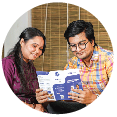
AYAT Care
Launched in 2021, AYAT Care set out to fill a critical gap in Bangladesh’s healthcare: professional home-based elder and patient care. The idea was born from co-founder and CEO Nusrat Feroz Aman’s personal experience of losing her father without the care he needed.
AYAT Care’s model is straightforward. Trained caregivers and nurses are placed in homes to support patients. Services range from basic daily assistance and companionship to skilled nursing for post-surgery recovery, wound care, oxygen therapy, and physiotherapy. Families can even book telemedicine consultations, keeping patients connected to doctors without hospital trips.
Till now, the company has supported over 478 clients with long-term care, trained over 447 caregivers, and equipped over 430 nurses in palliative care through its ‘Dignifying Life’ programme. This dual focus - serving patients while building a skilled workforce - sets AYAT apart in Bangladesh’s emerging care economy.
Technology underpins much of its service delivery. Care plans are digitally coordinated, patients can access telehealth support, and AYAT’s training institute develops caregivers through blended, ethics-driven courses. The combination of human touch and digital oversight helps professionalise what was once informal, family-based labour.
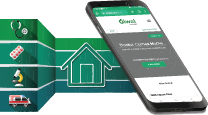
Olwel
In a city where traffic and long queues often make healthcare more painful than the illness itself, Olwel has revived an old idea with a modern twist: the doctor’s house call. Patients can book through an app, website, or hotline, and within half an hour, a vetted physician arrives for a consultation that typically lasts 30 minutes.
The idea was seeded thousands of miles away. Co-founder MM Aftab Hossain, living in Finland, worried constantly about his ageing parents in Dhaka. He saw how smoothly Finland’s general practitioner system worked, while in Bangladesh, “the journey to get treatment is more painful than the suffering due to the disease itself.” Determined to reverse the process, he created Olwel to bring doctors to patients instead of forcing patients to hospitals.
Launched in 2017 with just 16 doctors serving two Dhaka neighbourhoods, Olwel has since expanded into a citywide network. Beyond individual households, it has partnered with companies and NGOs to deliver large-scale healthcare serving farmers, factory workers, and underserved communities who would otherwise struggle to access consistent treatment. By 2022, its mobile app had been installed over 10,000 times, reflecting growing demand for accessible, reliable primary care.
Technology underpins the model. Prescriptions from home visits are uploaded to a digital platform, reviewed by senior specialists, and followed up with phone calls from Olwel’s medical team. Its systems use GPS-enabled dispatch, ensuring the nearest available doctor is sent to a patient’s location. Beyond house calls, the platform enables telemedicine consultations, lab sample collection, medicine delivery, and ambulance coordination. Long-term options like the Parent Care Plan offer continuous monitoring for seniors, giving peace of mind to families living abroad.
Olwel’s approach is particularly valuable for the elderly and chronically ill, but it also benefits busy families seeking trustworthy care without losing a day in waiting rooms. During the COVID-19 pandemic, when hospital visits became risky, Olwel’s telehealth services surged, showcasing the flexibility of its hybrid model.
SAJIDA Foundation
The SAJIDA Foundation has been part of Bangladesh’s social fabric for over three decades, but its healthcare work is often less visible than its microfinance or poverty programmes. Behind the scenes, however, SAJIDA has become one of the country’s most trusted names in affordable health.
At its 80-bed hospital in Keraniganj, more than 2.3 million patients have been treated since opening. Equipped with intensive care, dialysis, and maternity units, the hospital offers high-quality care at prices accessible to middle- and low-income families.
The SAJIDA Foundation has also been quick to respond to crises. During the COVID-19 pandemic, it converted facilities into isolation units and provided free treatment to over 1,000 patients. It also partnered with government hospitals in four districts, serving nearly 6,000 more. As one hospital manager put it, “SAJIDA Foundation has always worked for the needs of the country during emergencies.” However, perhaps its most innovative work is in elder care. Through its social enterprise, Home and Community Care Ltd. (HCCL), SAJIDA has provided personalised home services to more than 700 elderly and chronically ill clients. With a training academy that has prepared over 600 caregivers and a mobile app that lets families monitor care in real time, HCCL has helped redefine what ageing with dignity can look like in Bangladesh.
SAJIDA’s approach is holistic: hospitals, community clinics, mental health services, elder care, and investments in health-tech startups. It views healthcare not as a standalone service but as part of a wider ecosystem of dignity, financial security, and social support.
The Final Word
Bangladesh’s healthcare system faces immense challenges, from overburdened hospitals to the rising costs of treatment, but, organisations like AYAT Care, Olwel, and the SAJIDA Foundation show that solutions are emerging from multiple directions. By focusing on access, quality, and compassion, they are reshaping how care is delivered, whether through a caregiver at home, a doctor at the door, or a social enterprise serving communities. They represent new models of healthcare delivery that are adaptable, scalable, and people-centred. For Bangladeshis navigating a complex health system, these organisations offer a glimpse of what a more accessible and inclusive future could look like.


%20Square%20Ad%20-11.jpg&w=640&q=75)
%20Horizental%20AD-01.jpg&w=3840&q=75)
