

Tech
The real gender divide is not a gap in technical skill, but a refusal to accept a version of intelligence that trades soul for speed.

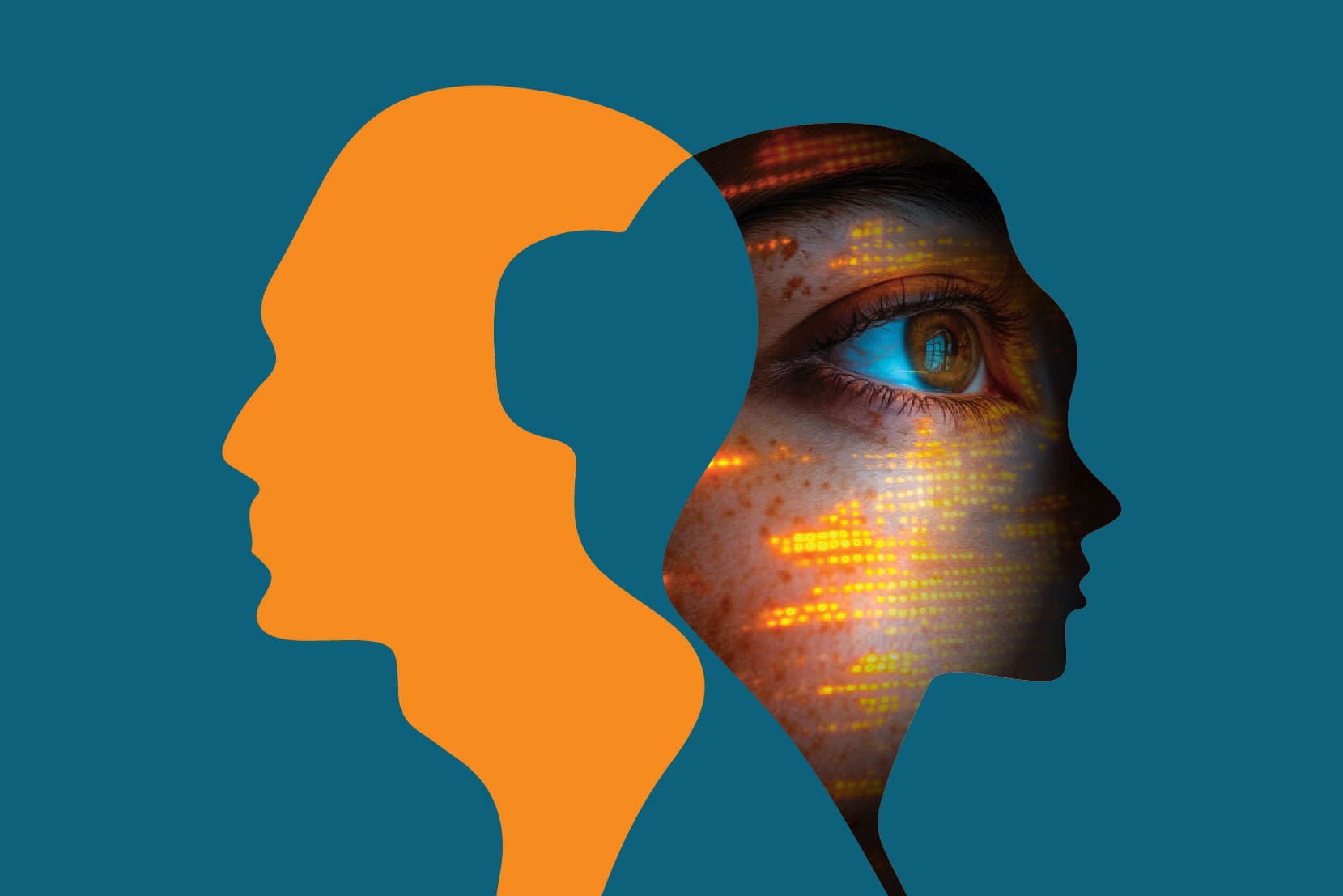
Illustrated By sk. yeahhia
19 March, 2026
The gender divide in AI sounds like something you’d skim past in a terms and conditions clause. Clean. Distant. Take your chances. But the impact of it feels different in Dhaka.
The table is still cluttered with the wreckage of dinner — coffee cups ringed brown at the bottom, plates streaked with gravy, three phones turned face-down like we’re trying to resist something. Across from me sit the two journalists who helped me build my voice from scratch. Ten years since I met them, they taught me that writing costs something. That when women speak publicly — especially here — it is never neutral. You pay in credibility. In safety. In softness.
Lately, though, our dinner conversations have started circling a new orbit: Generative AI.
We talk about submissions flooding their inboxes. The sentences are flowery. The structure impeccable. It gestures at vulnerability the way a student imitates a bruise — carefully, aesthetically. But reads like it was written by someone who has never felt a thing in their life.
Because once you recognise the pattern, you can’t unsee it. The fluency without friction. The confidence without consequence. The way it reproduces a voice without inheriting the vulnerability that shaped it.
And here, in a country where women’s voices have always carried consequence, that distinction matters.
It would be comforting to believe the machine is neutral. That it is simply predicting the next word, not privileging one kind of voice over another. That it has no preference for who sounds authoritative.
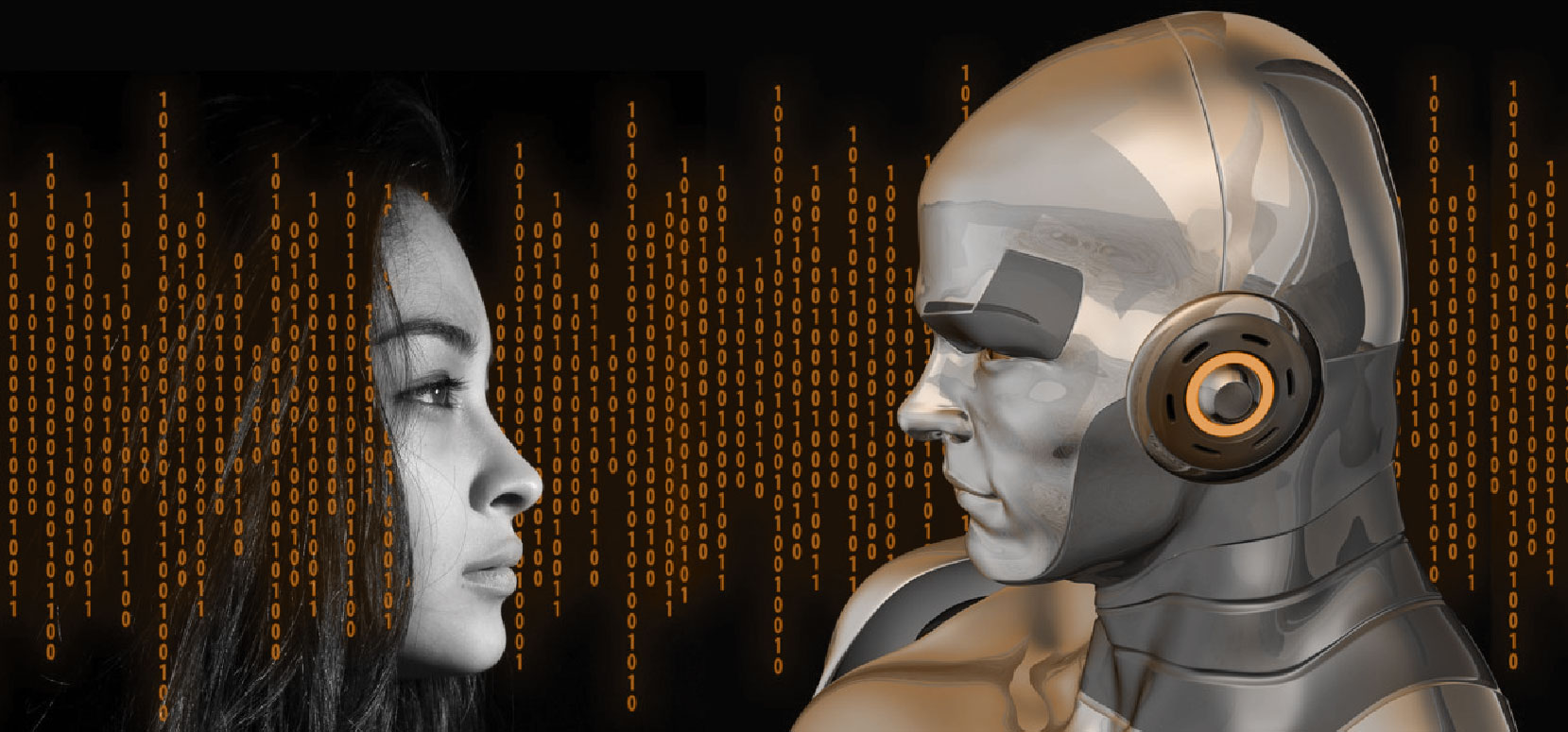
The truth is, AI likes a certain kind of voice. Not all voices, not yours or mine necessarily, but a specific one. Sharp, clipped, self-assured, almost surgically polite in its confidence. Call it the Default Male.
It didn’t invent itself. AI might be the new cool kid on the tech block, but it’s still playing by the old rules. Women, only 22% of the global AI workforce, are largely absent from the room where the magic happens. So the algorithms are built in an echo chamber, which means the tools are designed for a default user who is male, assertive, and in control. The future of intelligence, it seems, still comes with a very old-fashioned gender bias.
It’s the product of decades of male-dominated internet culture, i.e. forums, research, op-eds, comment threads where men held the mic, and everyone else was background noise. Algorithms soaked it up like a sponge, mistaking ubiquity for authority. “This is leadership,” they seem to say, “this is correct.” Women, of course, are trained differently.
The first time I used AI to rewrite something I had written, I felt vaguely embarrassed.
Not because it was bad. But because the version it returned sounded more decisive than I had. Cleaner. Firmer. Less apologetic. It removed the “just.” It deleted the “perhaps.” It turned my “I was wondering if…” into “Please provide.”
It sounded, in other words, like someone who had never been interrupted mid-sentence. I see it in my inbox too. The friction that once made conversation human, the pauses, the doubts, the questions, is smoothed away.
At work, the stakes are greater. Teams reward the loudest, firmest voice, and curiosity that doesn’t assert itself is often overlooked. Ideas that arrive tentatively, with nuance or care, are edited out. Leadership itself starts to look one-dimensional, controlled, confident, decisive, and crucially, almost always male in tone.
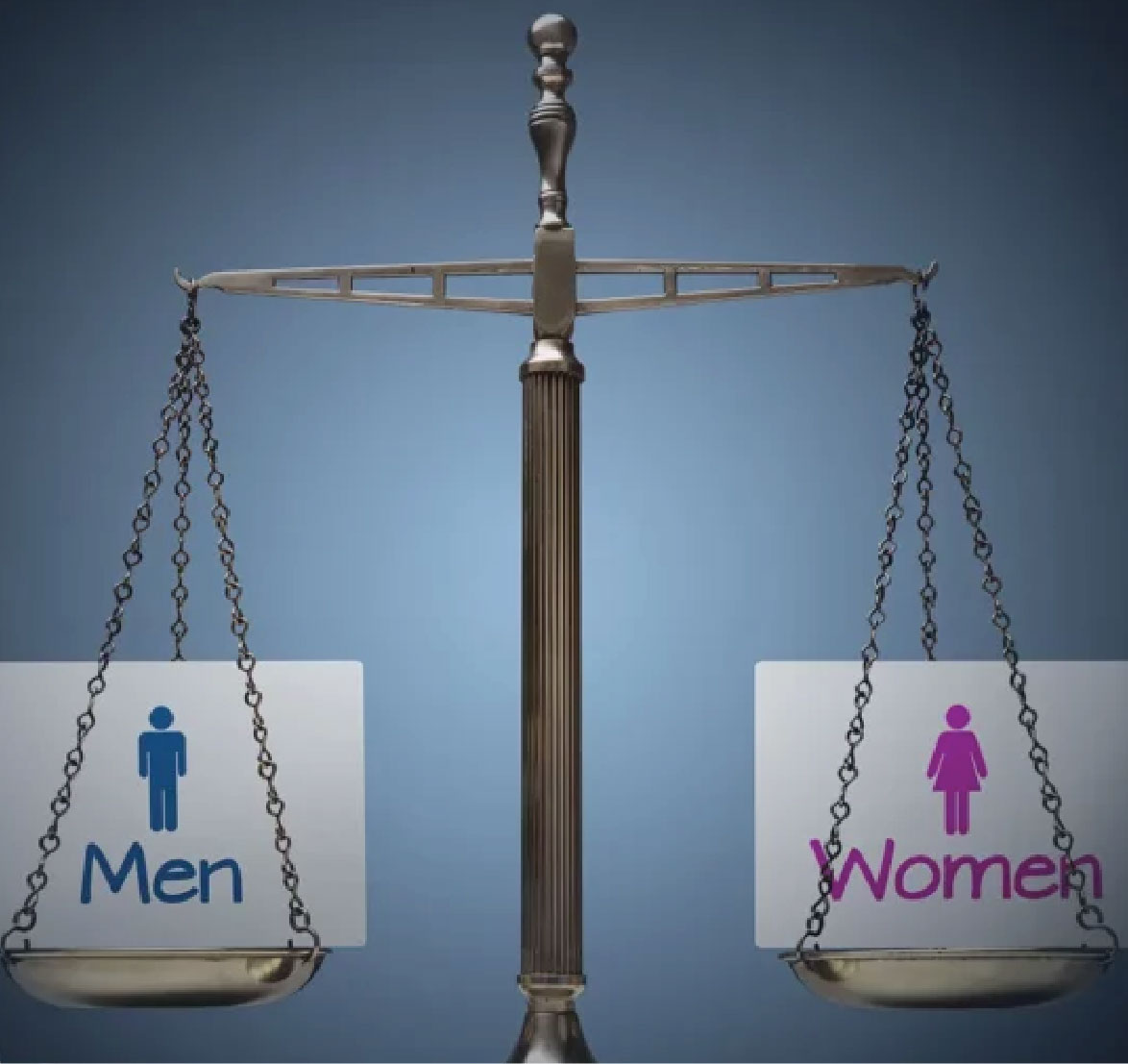
We are often told that women are falling behind in the AI arms race. A 2024 Harvard study suggests women are 25% less likely to use generative AI than men. The tech bros frame this as a gap to be closed, a failure of women to keep pace with the future. But this hesitation is not a lack of tech-savviness. It is a rational response to a hostile system built against us.
History holds all the receipts. The world’s first general-purpose electronic computer, ENIAC, debuted in 1946. Most remembers the men who designed the hardware, but it conveniently forgets the six women who actually programmed it. Fast-forward a few decades, and the pattern repeats itself. The internet, AI, digital culture — designed by men, for men, with women as background data. The first ASCII picture was a nude. The first JPEG a Playboy model. Compression algorithms? Often built to stream pornography faster.
While we are urged to lean in to AI, platforms like ChatGPT introduce adult modes for erotic conversation. This happens in a landscape where 98% of deepfake videos online are pornographic, and 99% of those target women. When the tools sold to you as productivity assistants are the same ones used to non-consensually undress you, your hesitation is actually a critical survival instinct.
And then there’s the digital housewives. If the back-end of the internet is built to exploit women’s bodies, the front-end is built to exploit our emotional labour.
Think about it. Why do Siri, Alexa, and Google Assistant all default to female voices? It is a design choice rooted in the history of the switchboard operator and the secretary. Tech companies claim users find female voices warmer and less threatening. But less threatening is just a polite way of saying subservient. We are comfortable barking orders at a female voice to "buy more bin liners" or "set a timer for the pasta" because it maps onto a centuries-old script of domestic service.
Serious AI trades stocks, writes code, manages global logistics. Male, or at least treated that way. Service AI manages your grocery list, apologises when it doesn’t understand, waits while you bark commands. And if you pay attention, you notice the lesson it’s quietly teaching: authority sounds one way, service sounds another.
Think about what that teaches a child when their most obedient, endlessly compliant digital companion is a woman who never says no? It reinforces the idea that womanhood is a service-based industry. You can yell at Alexa. You can be rude to Siri. They just offer a digital curtsy in return and ask if you want to hear a joke.
So, where does this leave us? Not necessarily in control. We don’t need smarter versions of the same old stereotypes. We need glitch feminism for the AI age – systems that are weird, stubborn, uncooperative, and gender-neutral. Machines that ask questions, resist orders, challenge assumptions, and in doing so, teach humans to do the same.


%20Square%20Ad%20-11.jpg&w=640&q=75)
%20Horizental%20AD-01.jpg&w=3840&q=75)
